

Volume 35, Number 1
Winter Issue

President’s Message
By Hanan N. Ghantous, PhD, DABT
|

Wishing all a Happy, Healthy, and Fun New Year, I am honored to be the President of the American College of Toxicology for 2016. I became a member of the College in 2002 after my former “boss” Robert Osterberg (ACT President at the time) strongly advised me to join (with Bob O: it wasn’t an option). After many years as a member, attending meetings and organizing and presenting in scientific sessions, I was elected to Council where I served for three years. I was then honored when I was elected into the “chain of command” of Vice President, President-elect, and now President. This is my sixth year of serving the College with many great councilors and officers: Carol Auletta, Russ Lyons, Robin Guy, Dave Serota, Drew Badger, and Mary Ellen Cosenza, and many others. I also had the pleasure of serving on Council with Eve Kagan and Carol Lemire before working with ACT’s new management group AIM, and, therefore, I have witnessed a number of major changes.
I would like to welcome our new ACT Officers and Councilors. Our new Councilors this year are Florence Burleson, Lisa Beilke, and Daniel Patrick. All have been serving the College over the years and they will be a great addition to Council. I also would like to thank our outgoing Concilors Patty Ryan and Sandra Morseth who both served the College with dedication during their time. Anthony Kiorpes just finished his term as Councilor and was elected as Vice President, which I am sure will be an easy transition for him. I would like to thank Mary Ellen Cosenza and Drew Badger for their leadership the last two years as President and Past President. I am fortunate to have learned a lot from them. I am looking forward to working with Mary Ellen, (Past President) Tracey Zoetis (President-elect), Anthony Kiorpes (Vice President) and the others on Council. Drew, I will miss you.
2015 was another great year for ACT. The College sponsored three educational courses throughout the year: Toxicology for Industrial and Regulatory Scientists, Pathology for Nonpathologists—Europe, and Advanced Comprehensive Toxicology, as well as four webinars—all well received and attended. Once again the College had a very successful scientific meeting in Summerlin, Nevada, with a record number of over 900 attendees and a very positive feedback from all.
ACT has also implemented two new programs which will continue to be priorities in 2016:
1) The Mentorship Program to provide early career professionals with a pathway for interaction with each other and with experienced leaders for guidance in professional development. The chair of the Early Career Professional Outreach Subcommittee, Nancy Bordelon, spearheaded this campaign. If you are interested in serving as a mentor or a mentee, visit www.actox.org. The mentoring program was launched at the Annual Meeting with a successful speed-networking event that was organized by young professionals Brian Mulhern, Nicole Baxter, Kristina DeSmet, Francis Wolenski, and Kevin Holspapple. Thanks to the Early Career Professional Outreach Subcommittee for organizing a fun bowling night for mentors and mentees to get better acquainted. In addition, two CE courses for early career professionals were offered: Beyond Study Directing, Understanding the Big Picture and How to be a Toxicology Project Leader as well as a sunrise forum led by Mary Beth Genter and Bill Brock entitled Putting the Right Words forward in Communicating Toxicology Research.
2) The creation of the ACT Endowment, where donations (both endowed and institutional assets) will be used to support College benefits such as student travel award, the student Furst award, and North American Graduate Fellowships. Donor forms are available on the ACT website. Thanks to the Endowment Committee, chaired by Treasurer Alan Hoberman, Alan Brown, Dave Serota, and Norman Kim for all of their efforts.
Before talking about the plans for 2016, I would like to thank all who were involved in making 2015 a very successful year for ACT, members of the Program Committee and the Education Committee who worked very hard on the CE courses and Symposia/Workshop of the Annual Meeting.
Also a thank you for all who organized and presented in the different courses and webinars throughout the year.
2016 will be a very busy year, full of courses, webinars, and of course the Annual Meeting in “Charm City” Baltimore, November 6–9, 2016.
Courses scheduled for 2016 are:
Toxicology for Pharmaceutical and Regulatory Scientists, formerly titled Toxicology for Industrial and Regulatory Scientists
April 25–29, 2016, Gaithersburg, Maryland
Study Director Course in China
May 9–13, 2016, Shanghai, China
Pathology for Nonpathologists, Co-Hosted with the Society of Toxicologic Pathology
May 16–18, 2016, Gaithersburg, Maryland, USA
Practical Application of Toxicology in Drug Development
July 11–15, 2016, Cambridge, United Kingdom
Advanced Comprehensive Toxicology
August 8–12, 2016, Gaithersburg, Maryland, USA
Visit the ACT website for more details and registration for all the courses offered.
Quarterly webinars are also planned for 2016. Be sure to visit the ACT website for the most up-to-date information. Members may also review the Webinar archives and listen to past topics of interest by logging into interACT—the ACT member-exclusive network.
New this year, ACT will be rolling out the Basic Training in Toxicology Webinar Series. In collaboration with the British Toxicology Society this new training series will feature 60-minute live webinars followed by questions and answers presented by leading experts in the field. Six modules will be offered in 2016! Watch for the open registration announcement and visit the ACT website for more details about speakers, topics, and more.
The new Program and the Education committees have already met and started working on topics for Continuing Education courses and Symposia/Workshops for the 2016 Annual Meeting in November. Submit your proposals online (www.actox.org) before February 19, 2016. ACT Award Nomination is also open; deadline is March 31, 2016. Visit the ACT website for full list of awards.
And finally, a special THANK YOU to our management team at AIM for their support to all of us and to the College. Looking forward to another busy year.
Past President’s Message
By Mary Ellen Cosenza, PhD, DABT, RAC, ATS
|
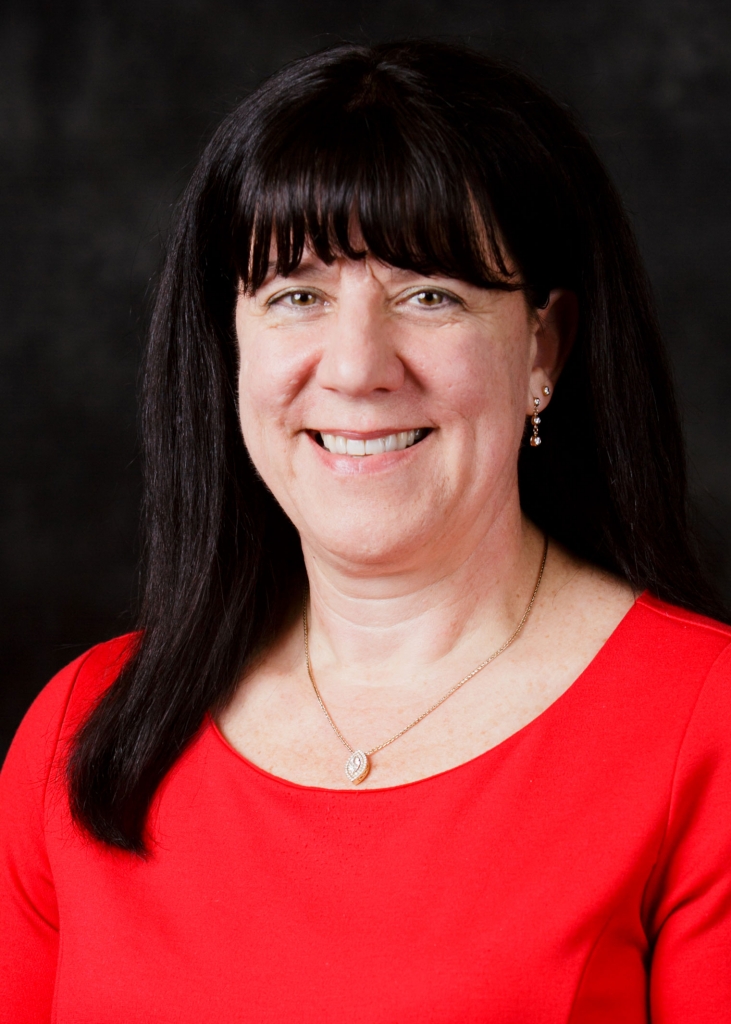
What can I say about the past year? It was a wonderful experience to be President of ACT? Yes, so true! I am proud and excited about what we accomplished as a College this past year? This too is true! I will miss working so closely with the AIM staff, particularly Nancy Rollman, our incredible Executive Director? Also, very true! I am excited about the new Council and Committee members who are taking on new roles? Of course! Yet somehow these words don’t fully express the range of emotions and feelings of gratitude deep in my heart to everyone who helped make my time as President so rewarding. I know I will look back on the past year as President as one of the highlights of my career in toxicology. Our mission: to Educate, Lead, and Serve is fully embedded in the role of President. As I begin the last year of this four-year journey I would like to review the accomplishments of the College during this past year.
New Special Events at the Annual Meeting:
- Forum for Students and Early Career Professionals: Putting the Right Words Forward in Communicating Your Toxicological Research
- Early Career Professional Speed Networking
- Early Career Professional Bowling Night
- Wednesday Member Mixer
New Activities throughout the year:
- ACT Membership Survey—The results of the survey help guide the Council on direction and initiatives for the future. (Thank you again to all who participated.)
- Council Strategic Planning (Thank you to all of the Council members who spent the extra time and effort to continue the long-term planning efforts of the College).
- Continued progress on the Tracks of Work that sprang forth from our continuous strategic planning efforts.
- New ACT Endowment! This new Endowment will help ensure that we will be able to fund our scholarships, student travel awards, and other educational initiatives far into the future. (A special thanks to Alan Hoberman, Treasurer, and Alan Brown for their diligent work on getting the endowment up and running this year!). Oh and please consider making a donation to the Endowment. For further information go to the website at http://www.actox.org/endowment.
- New Mentorship Program (Special thanks to the Early Career Professional Outreach Committee for their work on this!).
- Resource Committee Initiatives, which continue supporting the International Travel Grants and the North American Graduate Fellowships.
- Updates to our website and our Wikipage (http://www.actox.org/). (Many thanks to our Website Committee for the attention to detail!).
- Educational courses throughout the year, including our new Pathology for Nonpathologists—Europe Course; and
- 2015 Annual Meeting with its outstanding Program and record attendance.
Finally, as I enter into the role of Past President I want to thank everyone who helped to make the past year great and let you know how confident I am in those who are stepping into new roles this year. A big thank you goes to the rest of the Executive Council (Drew Badger, Past President; Hanan Ghantous, President-elect; Tracey Zoetis, Vice President; Alan Hoberman, Treasurer; and Tim McGovern, Secretary) and Council. Of course the folks that really keep the College running on a day-to-day basis are our incredibly competent and efficient staff at AIM. Much of the work they do may not be as visible to the rest of the College, but those of us who get to work closely with them, on an almost daily basis leading up to the Annual Meeting, know that they do incredible work. Please thank them anytime you correspond with them or see them at any of our meeting, courses, or events. I cannot say enough about the skills and capabilities of Nancy Rollman, Elisa Turner, Jordan Balance, Elsa Canon, and other AIM support staff.
Although, I understand from other Past Presidents that the sense of ACT-withdrawal may set in, there is still much I am looking forward to working on this coming year. I am excited about being Chair of the Nominations Committee, as this helps to shape the future of the College leadership (oh and don’t hesitate to let me know if you are interested in nominating someone for Council or Committee, and that someone could be you!). I am also excited being Chair of the Outreach Committee. This committee helps to ensure that the College continues to engage with other related groups. In addition, I will be a member of the new Endowment Committee. I am excited by the challenges of getting this Committee’s work off the ground and helping to fund the endowment.
In addition to giving thanks to everyone I already mentioned I want to thank all of the College members for their dedication and participation in the work of the College. I also want to ensure that my successors (Hanan Ghantous, President) and Tracey Zoetis (President-elect) know that they should feel free to call on me for help or advice at any time.
Best wishes for a wonderful 2016!
Mary Ellen Cosenza
ACT Complies with the Sarbanes–Oxley Act
The Sarbanes-Oxley Act of 2002 (often shortened to SOX) is legislation passed by the US Congress to protect shareholders and the general public from accounting errors and fraudulent practices in the enterprise, as well as improve the accuracy of corporate disclosures. The US Securities and Exchange Commission (SEC) administers the act, which sets deadlines for compliance and publishes rules on requirements. The act introduced significant governance standards that apply to publicly traded companies and nonprofits. Sarbanes-Oxley has a number of provisions of the Act, but one that applies to privately held companies and to nonprofit organizations such as the American College of Toxicology (ACT) is whistleblower protection.
When you are on the ACT website’s About ACT/Contact Us page you will notice the toll-free fraud hotline. To anonymously report suspected criminal activity or illegal or unethical behavior by ACT leadership, members, or staff, please call Navex’s Global toll-free fraud hotline at 800.826.6762. Calls regarding personnel issues will be reported to AIM Human Resources, financial and management questions will go to the ACT Treasurer, and quality of service and misuse of property issues will be referred to the ACT President.
Unsung Hero Recipient’s Reflections
By David W. Hobson, PhD, DABT, 2015 ACT Carol C. Lemire Unsung Hero Award Recipient
When I took over as President of ACT from 1998–1999, one of the first things I made sure that we took care of was getting Carol and Eve on firm employment contracts with ACT to include the benefits we could afford so that we would be at less risk of losing them to other societies in the Washington DC area. I’ve long appreciated and admired all that they both did behind the scenes to make ACT what it is today including empowering Eve to take over the development of relationships with meeting sponsors and develop a routine for obtaining sponsor funding for the Annual Meeting which up to that time was overseen by members of the Council, Treasurer, President, Vice President, etc. When I observed how driven and competent that Eve really was with this activity, it just made sense to empower her to run with it. Knowing that both of these ladies are behind the motivation for the award is very special and touching to me.
I hadn’t planned on saying anything but thank you at the award ceremony and certainly would not attempt to follow a thoughtfully prepared speech by my friend Dave Serota. Sitting there looking at how we have grown and so many young faces mixed with so much experience, then realizing that even with Jazzicology we are missing some of our old friends who were part of the growth and development of what has become almost like “family” to many, I was compelled to provide a couple of sentences from the heart not realizing that my voice might break up a little and that as Pat Frank remarked “they never have seen that before with me over all the years.” We Naval officers are pretty disciplined about that sort of thing but between close friends I’ve seen a tear in the eye and crack in the voice on rare occasions. This being one of those for me, everything was as it should have been.
The ACT has come a long way since my first day on Council when I first learned from the Treasurer’s report that we were so far in the red that we simply could not continue doing things as we had been and this was at a time when ACT most certainly not thought of as being a go to meeting and organization by even most American toxicologists in industry and government. It’s been wonderful watching the organization grow and prosper from a student member who chose ACT as my first tox society membership over SOT for exactly the same practical reasons that we espouse today. Both have their merits, but ACT has become a place where toxicologists working on significant practical issues can meet, interact and become longtime friends and colleagues. I know because I’ve lived it and it is like a dream come true.
Member Conspectus: 2015 Student Furst Award Recipient
By Heidi Hsieh, ACT member and 2015 Student Travel Award Recipient
I am a fifth year graduate student at the University of Cincinnati and had the opportunity to attend ACT’s 36th Annual Meeting in Summerlin, NV as a recipient of a student travel award. As part of the travel award, students present their work to a panel of distinguished judges on Sunday night, which is both nerve-wracking and fun. It was great to interact with the judges and have fruitful scientific discussions about my work and where it could go next. The opportunity to meet and talk with the other student winners from around the world is one of the best parts of ACT—it is so easy to get bogged down in the everyday minutiae of research that speaking with others who are enthusiastic about their work always helps to energize me and makes me look forward to returning to the bench.
This year’s Annual Meeting was the best that I’ve attended with all the opportunities for networking and making new friends. Between the bowling on Monday night, where I got the chance to socialize with friends, while lamenting my ability to only throw gutter balls, to the 5K on Tuesday morning, where I thought my limbs would freeze off while we waited for the race to start, I had a blast. I love how attendees of ACT’s Annual Meeting actually take the time to speak with other attendees, even those they don’t know. As a student, I’ve found that everyone is really friendly and approachable. I’ve received invaluable advice from everyone I’ve spoken with on every topic under the sun from how to improve my presentation skills to the pros/cons of working at a CRO compared to pharma, to where to find the best food at O’Hare. I am definitely looking forward to next year’s Annual Meeting and having the opportunity to renew and make new friendships.
Membership Record and Demographics—Please Update Your ACT Record
It is a new year and ACT wants to ensure that your membership profile is the most up-to-date. This will guarantee that you continue to receive important ACT correspondence both by email and mail (including your International Journal of Toxicology subscription).
Please login to your ACT “My Profile” to update the your member information.
We also want to update our demographic information from all our members. This is important information to collect and be recorded correctly. If the information from your membership record you see below is not correct or is blank please login to the “My Profile” page to update or add it. (Once logged in you will click the Edit button. It will bring you to your Personal Information page. At the bottom of that page there is a “Edit Demographics” button that will open up a pop-up window where you can fill in all your demographic information.)
If you haven’t paid your 2016 ACT dues yet, please do so today!
Login to the Dues Renewal Page using your email address as the User ID and the password you have chosen (if you don’t remember your password you can either request it here or contact ACT Headquarters). You may also access the renewal page by selecting the Member button on the navigation bar and then selecting the Dues Renewal option on the drop down menu.
If you have any questions please contact ACT Headquarters.
Thank You 2016 Corporate Members
The College continues to advance the science of toxicology, and to emphasize the multidisciplinary nature of the field of toxicology. Through a variety of programs and activities, the College promotes and fosters an improved knowledge and understanding of safety/hazard evaluation, and the assessment of risk from exposure to pharmaceutical, chemical and environmental agents. In addition, special workshops on regulatory issues, international harmonization and “cutting edge” research are being sponsored or co-sponsored to acquaint scientists with new aspects of toxicology.
Corporate Membership is $1,500 per calendar year. The benefits of corporate membership include:
- Recognition in the printed Program and on signage at ACT’s Annual Meeting
- Two free job postings for six months ($500 value)
- Listing in the quarterly membership newsletter
- Listing in the November/December issue of ACT’s International Journal of Toxicology
- Listing and link to your company’s website on the ACT website
- Annual Meeting Priority exhibit booth selection
Corporate support is essential to the continued success of the College and the achievement of its goals. We invite you to become a Corporate member in the American College of Toxicology.

Education Committee Update
A message from 2015 Education Committee Chairperson, Patricia Ryan
As outgoing chair of the Education Committee, I would like to thank all the speakers, chairs, and liaisons who did an excellent job at our Annual Meeting last November. Our CE Course curriculum attracted record numbers of attendees and received very positive feedback overall. I want to also thank the entire Education Committee and the head of the Program Committee, Hanan Ghantous for their dedication and hard work to deliver such a successful Annual Meeting. I look forward to more great things in 2016 from ACT and the Education Committee under the steadfast and inspired leadership of the new chair, Melissa Rhodes.
Introduction to the 2016 Education Committee
By Melissa C. Rhodes, PhD, DABT, 2016 Education Committee Chairperson
The 2016 Continuing Education Committee is already hard at work, tasked with determining a tentative schedule of courses for this year’s meeting within the first quarter of the year. We met in December and have two more meetings scheduled in January to review proposals received to date. We welcome the membership’s ideas for courses and encourage members to submit proposals online at https://actox.conference-services.net prior to February 19, 2016. Many thanks to this year’s members: co-chair Holly Dursema and committee members Florence Burleson, Heather Dale, Kathleen Funk, Pam Marone, and Peyton Myers. They are key to the success of ACT in achieving its mission to educate, lead, and serve professionals in toxicology and related disciplines by promoting the exchange of information and perspectives on applied toxicology and safety assessment.
In addition to preparing for the 2016 Annual Meeting, we also are working to continue to provide the membership with free webinars. The first webinar offering of 2016 will occur Wednesday, February 3 at 11:00 am (ET) and is entitled “Impurities: The Good, the Bad, and the Ugly,” presented by Joel Bercu. There are also several Continuing Education courses that will be offered this year in Gaithersburg, MD: Toxicology for Pharmaceutical and Regulatory Scientists (April 25–29), Pathology for Nonpathologists (May 16–18), and Advanced Comprehensive Toxicology (August 8–12). The biennial ACT course, Practical Application of Toxicology in Drug Development, will occur in the UK (July 11–15).
Finally, in collaboration with British Toxicologic Society (BTS), we will initiate our new webinar series on Basic Training in Toxicology. This will be a series of 12 webinars at bi-monthly intervals happening over the next two years. Each segment will consist of a 60-minute live lecture, followed by 30 minutes for questions and answers. ACT and BTS have established a nominal fee structure for registrants of this training series in order to cover the expenses to provide this educational offering. The first webinar (Basic Principles 1) will occur Wednesday, March 30 at 11:00 am (ET) and will cover dose response, routes, test systems, and basics of study design, presented by Dr. A. Wallace Hayes.
Please consider taking advantage of these excellent learning opportunities in 2016! Check back often on the ACT website for more information about ACT webinars.
Endowment Committee Update
By Alan M. Hoberman, Endowment Committee Chairman
Endowment has pledges of $100,000 since inception in late 2015!
Education has been a hallmark of the College from its inception. Through our annual meetings, educational courses, webinars, and journal we have strived to provide our members with the latest information in the field of applied toxicology.
The education of our youngest members and recruitment of new early career professionals will ensure that the College continues to meet its objectives for many years to come.
In 2015 the College established an Endowment and funded it with $250,000 to begin the process of ensuring that resources will always be available to continue this very important mission of the College; to educate and mentor the young scientists whose career interests are consistent with those that are supported by the College and are reflected by our membership. The endowed and institutional assets have been designated as The ACT Awards Fund to support important educational awards and scholarships like these:
- ACT Student Travel Awards
- ACT Student Furst Award
- ACT North American Graduate Fellowships
The Endowment provides a tax-efficient way for our members to make donations and to be ensured that their donation to the College will be spent only for educational awards and scholarships and not for the day-to-day operation of the College.
ACT will allow the principal balance of the fund to grow for three years before using any of the gains/interest earned on it for the awards. During this time the College will continue to fund the awards and scholarships through its annual operating budget.
As this Endowment grows, ACT Council will continue to evaluate whether to expand the use of the funds in other areas of education. Your suggestions to Council are greatly appreciated.
We hope that you will consider a contribution to the Endowment, especially during this very important three-year fundraising period; to ensure that the College has the funds to support ACT’s awards and scholarships for many years to come.
We would like to thank these contributors to the ACT Endowment:
Visionary: $50,000+
Alan Hoberman
Benefactor: $10,000–$49,999
Mary Ellen Cosenza
David Serota
Advocate: $5,000–$9,999
Gary and Florence Burleson
Steward: $1,000–$4,999
Anthony L. Kiorpes
Daniel J. Patrick
Frank E. Young
Friend: $0–$999
DR Compton & TL Spriggs
Stephen B. Harris, PhD, FATS, FRSB
Rosenblum Toxicology Services, LLC
Visit the ACT website for more information about the Endowment and to make a donation.
Finance Committee Update
By Alan M. Hoberman, ACT Treasurer and Finance Committee Chairperson
The ACT Finance Committee is reviewing the 2016 budget for approval by Council at their February meeting. The role of the Finance Committee is to monitor the monthly income and expenses, development of the annual budget, and oversight of the investments. This year the committee, the Endowment Committee, and Council will be soliciting funds for the ACT Endowment. More details on this new opportunity to ensure that the College can fund its commitments to the goals of the College for years to come can be found in this Newsletter. The Endowment will provide a mechanism for tax-deductible donations to be made to the College with assurance that the donation will support designated activities of the College.
We are pleased to report that the College remains in good financial health, with continued growth of our investments and revenue from our courses, Annual Meeting and our journal. These efforts, along with the fiscal attentiveness of our Officers and committees, have allowed ACT to meet all of its expenses for 2015 with a projected year-end surplus of more than $200,000.
The 2016 Finance Committee, composed of the Chair and Treasurer, Alan Hoberman, ex officio members, Hanan Ghantous (ACT President) and Tracey Zoetis, Michael Holsapple, Jeff Tepper and Steve Bulera, will continue to monitor the financial status of the College. In 2016, the committee will monitor our investments and the monthly expenditures. This year’s budget includes funds for the Annual Meeting, four education courses, a workshop, and continuation for the North American Graduate Fellowship and an International Travel Grant program to attract new scientists and future ACT members to our Annual Meeting.
As a 501(c)(3) tax-exempt nonprofit corporation, the next action of the Finance Committee will be to oversee the annual audit of the College’s finances for 2015 by an independent certified public accountant. The results of the this audit will be reported to the membership and any recommendations for changes to our fiscal policy will be reviewed by the Finance Committee with recommendations, if necessary to be made to the Council.
The 2016 Finance committee will continue to work closely with our Executive Director, Nancy Rollman to ensure the that your College continues to have the financial resources it needs to meet its mission in 2016 and for years to come.
Membership Committee Update
By Andy Kiorpes, Membership Committee Chairperson
The Membership Committee held its final teleconference of the year on October 28, 2015. The Committee recommended to Council 6 new applicants and one application for Emeritus status. Council approved all the recommendations at their November meeting.
Please welcome these new members of ACT: Sarah Campbell, Kristin DeSouza, Richard Ridgewell, Kenneth Stauderman, Kyla Walter, and Marcie Wood.
At the end of 2015, the ACT membership by category and total was as follows:
Full: 763
Associate: 137
Emeritus: 103
Student: 62
Total: 1065
There were 35 Corporate members at the year's end.
In the final quarter of 2015, the Committee finalized its revised SOP and uploaded it to the ACT website. The SOP defines, for example, what constitutes “active practice of toxicology” and the requirements for Emeritus status. The Committee also recommended a new membership category, Postdoctoral Researcher, to provide a bridge from Student to Associate Membership. The Committee recommended an annual dues rate for this new category of $35, and Council approved this recommendation in November. Finally, the Committee recommended to Council that all members, including nonpaying members (Students, Emeritus), be asked to “renew” at the beginning of each year so that we can maintain an accurate census of each membership category.
Program Committee Update
By Tracey Zoetis, Program Committee Chairperson
Program Committee
We are looking forward to a successful meeting in Baltimore this year! I encourage our members to submit a session proposal for a Symposium, Workshop, Plenary Speaker, or a Continuing Education course by the upcoming deadline, February 19 online at (https://actox.conference-services.net/authorlogin.asp?conferenceID=4843&language=en-uk.) CE courses introduce and expand upon frontline issues in toxicology. These courses may be at a basic level, providing a broad overview, or at an advanced level, for those with previous knowledge of the subject. Symposia feature current, significant topics, new areas and concepts in toxicology, which are of interest to a broad range of the ACT membership; and Workshops are intended to be informal, interactive, and educational programs, focusing especially on cutting-edge knowledge, techniques, and skills relative to a particular aspect of toxicology. Please consider proposing a session for this year’s meeting.
The Program Committee is very encouraged by the many great ideas expressed during our planning session at the 2015 Annual Meeting and look forward to seeing them come into fruition. The meeting promises to have significant appeal to the toxicology community with timely scientific and regulatory updates, opportunities for career development, and networking activities where friends and colleagues can connect. Like every successful endeavor of ACT, the Annual Meeting is driven by the enthusiastic work of many volunteers. Now is the time to submit your proposals, consider financial sponsorship, and at the very least mark your calendar and plan to attend!
Publications Committee Update
By Mary Beth Genter, Publications Committee Chair
Final manuscript count for 2015, including CIR supplement manuscripts = 431 (highest # since 2008 when Mary Beth took over as Editor). Manuscripts came from 50 countries (also a record). Acceptance rate = 15.3% (including CIR manuscripts), and 12.9% considering regular manuscripts only.
2014 Impact factor rose slightly over 2013 from 1.233 to 1.29. Publication of some high-impact review articles would help greatly, and this was a topic of discussion at the Editorial Board Luncheon at the 2015 Annual Meeting.
SAGE has assigned a new Publishing Editor to Int J Toxicol after Courtney Pugh left SAGE in June 2015. His name is Andrew Thompson, and he attended the ACT Annual Meeting in November. Mary Beth has monthly calls with him (last Tuesday of the month at 1:30 pm).
We have again requested 2015 Annual Meeting session chairs and co-chairs (CE courses and symposia) to submit session overview articles. It appears that approximately 4–5 are in progress, and one from the 2014 Annual Meeting has been accepted and will be included in the August 2016 issue, along with those summarizing sessions at the 2015 Annual Meeting.
Nominations of manuscripts for the President’s award for the Best Paper published in Int J Toxicol are due March 31. Mary Beth has sent a reminder to the Publications Committee to encourage them to nominate one or more manuscripts. We generally have few nominations from the membership; Mary Beth requests that a special message be sent to the membership in February so that they know that their nominations are welcome. The final decision is made by the Publications committee. Eligible papers for the 2016 award will include all papers published in calendar year 2015, plus those that were published in Sept–December 2014.
Website Committee Update
By Tim McGovern, Website Committee Chairperson
The ACT Website Committee has been working over the last few years to improve the membership experience with the ACT website including improved presentation of ACT activities and the introduction of interACT. The Committee actively tests new postings to ensure pages load correctly and links are active. As ACT Secretary, I am the Chair of the committee and I am supported by committed members including Kevin Holsapple, Mike Orr, Tracey Spriggs, Ric Stanulis, and our ACT Executive Director Nancy Rollman. The Committee has monthly meetings scheduled in 2016 and continues to seek ways to improve the website and chart future needs or activities to provide further enhancements. One immediate area of activity is to enhance ACT’s presence in web-based outlets such as Wikipedia and LinkedIn. In addition, we have developed and posted a compilation of web-based toxicology resources posted under the “Good Stuff” tab on the ACT homepage at www.actox.org. I encourage you to check this out and let us know what you think. If you have other sites you think would be useful to add, please let us know. We are interested to hear from membership about your thoughts on the website and any suggestions for improvements. Any comments/inquiries can be sent by email to our ACT Headquarters Office, which is also provided in the footer of the website homepage.

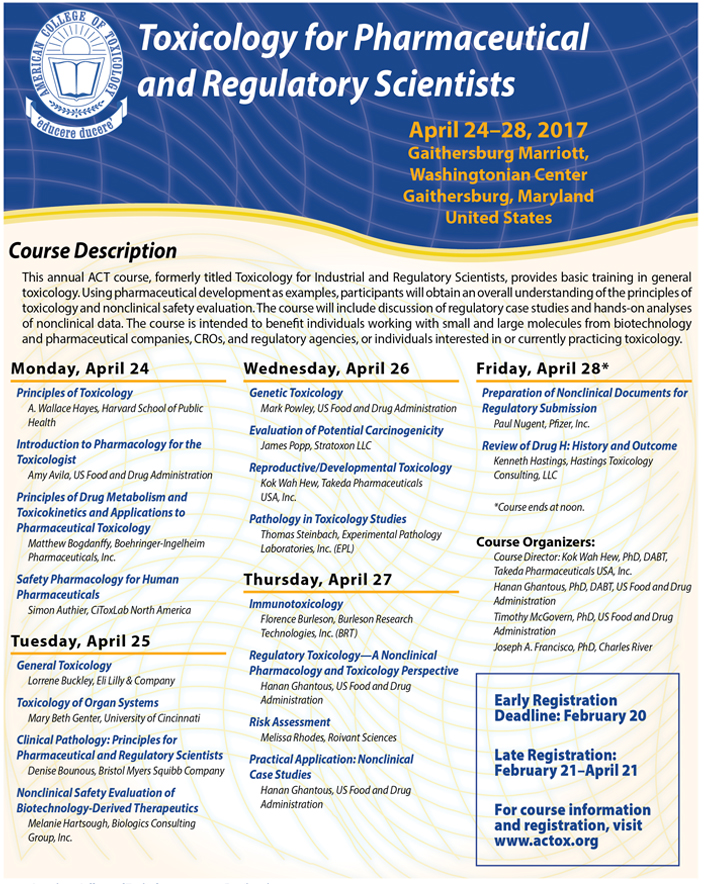
Registration Open: ACT’s Toxicology for Pharmaceutical and Regulatory Scientists Course
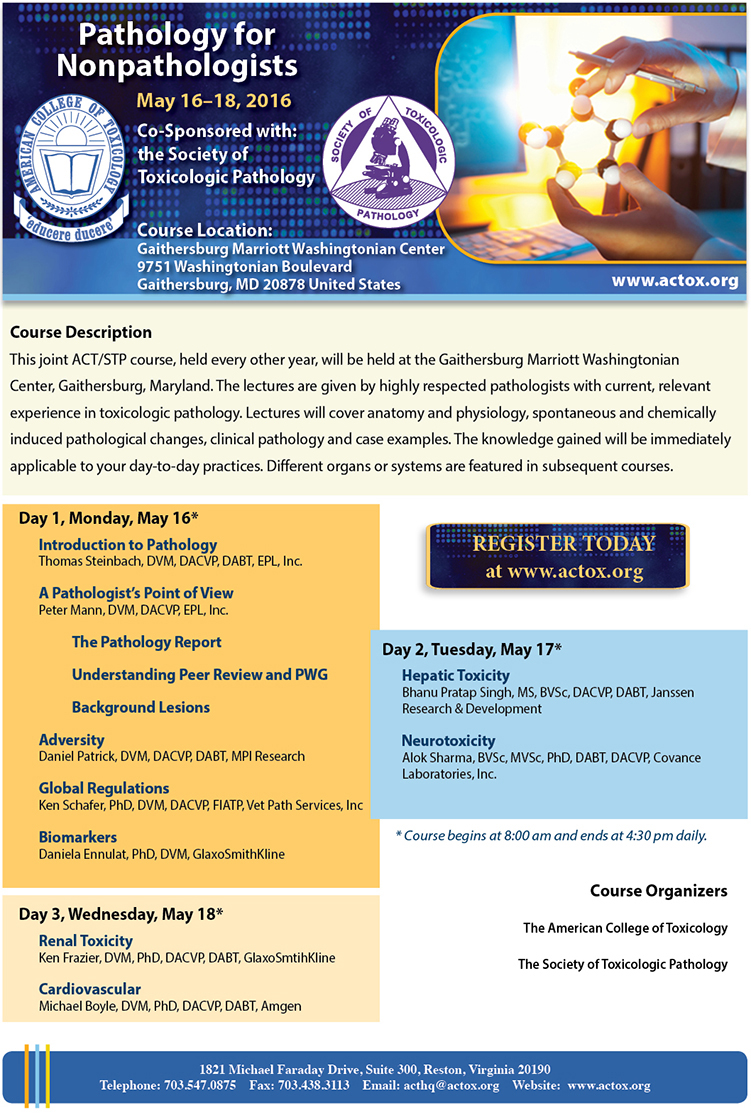
Registration Open: Pathology for Nonpathologists Course
Practical Application of Toxicology in Drug Development Course—Offered in 2016!

Hosted by the American College of Toxicology and the British Toxicology Society this biennial course, taught by distinguished experts, will return in 2016 to Cambridge and provide opportunities for scientists from all parts of the world to participate in a course providing basic training in toxicology. Participants will obtain an overall understanding of the principles of nonclinical safety evaluation with emphasis on the practical application of these principles and interpretation of nonclinical safety data. Regulatory toxicology in drug development will be emphasized, from both a European and a US perspective. Through the week the students will participate in tutored group study of regulatory cases and original data from a regulatory submission which will conclude with a half-day workshop on the last morning. Space is limited to 35 attendees—Please be sure to register early!
Visit the course website for more information.

SOT Offers Role of Mode of Action in Dose-Response Assessment for Carcinogens Colloquium at FDA
SOT Offers Role of Mode of Action in Dose-Response Assessment for Carcinogens Colloquium at FDA
The Society of Toxicology in conjunction with the FDA Center for Food Safety and Applied Nutrition (CFSAN) is presenting the last of a four-part colloquia series in food safety. “Role of Mode of Action in Dose-Response Assessment for Carcinogens” will be January 25, 2016, from 8:30 am–12:40 pm in Wiley Auditorium on the CFSAN campus in College Park, Maryland. Among the primary goals of a risk assessment are 1) determination of the presence or absence of a cause-effect relationship and 2) quantifying the risk through dose-response analysis. Advances in our understanding of the ways that chemicals interact with biological systems have yielded several frameworks for evaluating toxicity datasets to determine biologically plausible modes of action (MOA) and relevance to humans. These frameworks can be used to consider the weight of evidence of hypothesized MOA in animals and their potential human relevance for both cancer and non-cancer effects. This could result in a move away from defaults to adopt modern knowledge on MOA to improve risk assessments, including the choices for dose-response assessment.
This scientific training is high quality, cutting-edge, future-oriented toxicological science to provide a well-grounded, foundation to inform the work of FDA employees and depth of knowledge for others. The focus is a discussion of emerging toxicology methods and the sessions are not a public forum for discussion of toxicology regulatory issues.
We welcome participation from our colleagues who are members of American College of Toxicology (ACT).
The colloquium is open to the public to attend in person or via webcast.
Registration for on-site participation
Presentations include:
- The Role of Mode of Action in Dose-Response Assessments: Recommendations from the 2009 NRC Report “Science and Decisions,” Lauren Zeise, NRC Committee Member, Berkeley, CA
- Mode of Action, Distinguishing between Mode and Mechanism of Action, and Some Key Events for MOA, Michael Dourson, TERA, Cincinnati, OH
- The Mutagenic Mode of Action and the Choices for the Dose-Response Analysis, Rita Schoeny, US EPA (retired), Washington, DC
- Risk21 Quantitative Key Events Dose-Response Framework, J. Craig Rowlands, Dow Chemical Company, Midlands, MI
These talks will be followed with a roundtable discussion moderated by Elaine Faustman, University of Washington. Questions from the audience on-site and participating in the webcast are encouraged.
In addition, the recording and materials from the previous sessions as well as additional information can be accessed at the Colloquia website.
Questions? Contact SOT at rachelw@toxicology.org, 703.438.3115 Ext 1602.
The Teratology Society—Call for Abstracts

Call for Abstracts
Calling all researchers! If you conduct research related to teratology, reproductive toxicology,
developmentally-mediated disorders, or related field, we want you!
Plans are well under way for the 56th Annual Meeting of the Teratology Society, June 25–29, 2016, in San Antonio, Texas. This year’s theme is “New Horizons in Birth Defects Research,” and the Program Committee, chaired by Dr. Sonja A. Rasmussen, has planned a wide range of timely and informative symposia and workshops.
Now we want your cutting-edge research to make this meeting really great! Presenting an abstract at the Annual Meeting provides a way to share your research with your colleagues and learn about the latest discoveries from world experts in a friendly and approachable environment.
Consider submitting more than one presentation and extending this invitation to other colleagues. Together we can make this a truly memorable meeting.
Abstract Submission Deadline: February 15, 2016
(Firm deadline; it will not be extended.)
Submit your abstract online. Please visit the Annual Meeting website for complete abstract submission instructions and to submit an abstract. If your abstract is selected for presentation, you must be registered to attend the Teratology Society Annual Meeting.
Visit the Annual Meeting website for further meeting details, including registration and hotel information.
Teratology Society Launches Digital Efforts to Raise Awareness of Birth Defects
By Nicole Chavez
The Teratology Society, an international professional group of scientists hailed as the premier source for cutting-edge research and authoritative information related to birth defects and developmentally-mediated disorders, has launched digital efforts in order to further communicate the importance of birth defects research to stakeholders, legislative leaders and like-minded scientists, especially during January’s Birth Defects Prevention Month.
The Teratology Society is made up of nearly 700 members worldwide specializing in a variety of disciplines, including developmental biology and toxicology, reproduction and endocrinology, epidemiology, cell and molecular biology, nutritional biochemistry, and genetics as well as the clinical disciplines of prenatal medicine, pediatrics, obstetrics, neonatology, medical genetics, and teratogen risk counseling.
Led by key members of the society’s Communications Working Group, one example of the group’s effort to better communicate with the public is through a recent digital press release highlighting a special collection of groundbreaking studies related to the microbiome. The special issue ofBirth Defects Research Part C: Embryo Today, the society’s professional journal, focuses on the microbiome and the role that the transfer and maintenance of normal microbiota in pregnant mothers and fetuses plays in preventing immunological, metabolic, and neurological birth defects. TIME Magazine ran the story, “Babies in the Womb Aren’t So Sterile After All,” as a result of the press release.
“We feel that the important contributions of scientists often slip under the radar and we want to change that,” said Tacey White, PhD, Teratology Society president. “From social media to traditional media, we hope more scientists connect with each other in order to make it clear how important it is for our nation to continue to support research initiatives.”
The Teratology Society has also recently launched Twitter, Facebook and Linkedin accounts in order to connect with more societies and, in turn, support the messages these important societies, like ACT, are also putting out through their networks. “We are stronger in greater numbers and this is an easy and fun way to band together in the name of science,” White added.
Another article of interest the Society has generated in response to issues arising in the field of teratology involves the rise of electronic cigarette use in pregnancy. The issue is the topic of Teratology’s new blog effort titled, Birth Defects Insights. The blog is geared toward the scientific community and primarily published through Linkedin, as well as Teratology.org. Sister societies and other partners are also encouraged to post to this blog and to distribute the blog to interested parties. Please contact the Society’s Executive Director, Heather Carskaddan, for more details.
©Copyright American College of Toxicology All Rights Reserved