ACTimes

Volume 41, Number 1

Winter Issue

President's Message—Winter 2022


Greetings, ACT friends and colleagues!

Happy New Year! I wish you and your families a healthy and safe 2022. I am so pleased to continue through the presidential chain and begin my year as ACT President. As we move into the New Year, I want to thank Tim McGovern for his stewardship and for all his work, and Council’s leadership guiding us through a very successful second virtual Annual Meeting while continuing forward with the Strategic Plan. While we all hope we will return to in-person meetings and I look forward to meeting many of you in Denver in November, we have learned that meeting virtually has some advantages that we hope to start incorporating into our future meetings and courses, allowing us to further advance our mission to “educate, lead, and serve.”

Since becoming an ACT member in 1981, I have followed an ever-increasing level of benefits in membership in ACT. The Annual Meeting has and continues to be the premier ACT event providing relevant education courses, the latest science in applied toxicology, and networking opportunities. We have added several “bricks-and-mortar” courses for basic learning and studying for boards. New tools available to us have allowed updates to our website for blogging, mentoring of young professionals, and access to eLearning covering an ever-wider range of topics. Registration is open for our latest eLearning Seminar on Gene Therapy, which was held on January 20. The official journal, International Journal of Toxicology, has over 11,000 subscribers and continues to publish a diverse range of authors from countries around the world. We continue to publish our quarterly newsletter and hold free quarterly webinars, as well as add additional ACT podcasts, ToxChats.

With the increase in the scale of what ACT has to offer, I have been so pleased to see so many of you working on ACT committees and working groups. I realize that the time spent on these activities is above and beyond your day-to-day work. I want to thank the willingness of over 200 of our approximately 1,000 members who voluntarily support ACT. Your efforts have allowed us to continue our mission.

Another way for you to support ACT is by contributing to our Endowment. In 2021, for the first time, we used funds from our Endowment toward fellowships and grants that support postdocs, graduate students, and undergraduate students in the field of toxicology. Thank you to all who have contributed to the over $1M and still growing Endowment. The funds from our Endowment allow us to ensure that ACT will always have diverse representation at our Annual Meetings. Examining our commitment to diversity, equity, and inclusion (DEI) also moved forward with the initiation of a DEI working group and third-party survey of ACT members. The results of this survey will be used to guide our future initiatives in DEI and ensure that each action of ACT is focused to provide diversity, equity, and inclusivity.

Looking forward to the year ahead, ACT activities for 2022 commenced in December 2021 with the start of the new ACT calendar. It is my great honor to work with our new committee Chairs and members, Council members, and officers to continue activities focused on our current Strategic Plan. We remain optimistic that we will be able to meet in person for the 43rd Annual Meeting at the Gaylord Denver, November 13–16, 2022.

Committees are already hard at work, and I make special note of efforts by the Program and Education Committees, as their first deliverables to Council are scheduled for the end of this month when session proposals for this year’s Annual Meeting will be approved. Shortly afterward, the Awards Committee will identify the 2022 awardees (I encourage all members to put forward a nomination by March 31).

I again wish you all a healthy and rewarding 2022 and look forward to interacting with you throughout the year. I especially hope to see you once again at our 43rd Annual Meeting in Denver, Colorado.

Alan Hoberman, PhD, 2021–2022 ACT President

Past President's Message—Winter 2022


Dear ACT colleagues,

Happy New Year! It was my great pleasure to serve as ACT President in 2021 despite the ongoing challenges presented by the pandemic. I was continually impressed with the enthusiasm and creativity of the hundreds of volunteers in elected and appointed positions that served to further the ACT mission to “educate, lead, and serve.” Driven by an “all-hands-on-deck” approach, we were able to close out the year with a very successful and educational virtual Annual Meeting in November for the second year in a row. Some highlights:

  • Strong attendance was on par with that at previous annual meetings.
  • The meeting was packed with a full complement of engaging courses, plenaries, Symposia and Workshops, Talking Tox Webinars, receptions, and social events that were well-attended.
  • Pre-recording allowed for smooth delivery of the presentations, and the availability of the speakers for real-time Q&A with their audience lent a sense of engagement in those sessions.

Based on feedback from 2020, we improved the virtual experience for the 2021 Annual Meeting:

  • Extended access to the Annual Meeting materials and sessions through mid-February 2022 will allow attendees to experience all sessions of the meeting (instead of choosing between concurrent sessions) and to revisit sessions of special interest.
  • All Continuing Education courses and Symposia were extended by 30 minutes to allow more time for question and answer sessions.
  • Posters were available throughout the entire meeting. Presenters could remain with their posters through a pre-recorded narrative in addition to chatting “live” with their audiences, and posters were easily shared with interested scientists electronically.
  • Networking activities like the Early Career Professional session were quite engaging and interactive.
  • Chats and “breakout” rooms were effective for enabling a high number of questions during sessions, “cheering on” award winners, and reuniting colleagues.
  • Exhibitors were able to present their services and research via Talking Tox webinars.

Special thanks go to the Program and Education Committees for their efforts to develop a great program filled with excellent sessions and Continuing Education (CE) courses, Chairs and speakers for their patience in scheduling and recording their presentations in a fluid environment, and the AIM staff for their round-the-clock efforts to pull it all off beautifully!

As Past President in 2022, I serve as Chair of the Nominating and Outreach Committees. The Nominating Committee, with Tao Wang and Mike Dorato, are already hard at work developing the 2022 ballot. This year’s ballot will include the office positions of Vice President, Treasurer, Secretary, and Council, as well as Awards, Education, Endowment, Finance, Membership, Nominating, and Outreach Committees. Please consider submitting your name and supporting background for this year’s ballot online. The success of ACT depends on the willingness of its members to step forward to serve. The deadline for submissions in January 28.

The Outreach Committee, including Arianne Motter, Loges Ponnusamy, and Pedro del Valle, is continuing its work to enhance the College’s reputation around the world by developing partnerships with key sister societies in line with the ACT Strategic Plan. The year 2021 saw successful collaborations with the British Toxicology Society and the Japanese Society of Toxicology in presenting courses and Symposia. We also organized a CE course for IUTOX that was presented at the 11th Congress of Toxicology in Developing Countries virtual meeting. The committee also developed and initiated the ACT Ambassador Program. I encourage you find out more about this at the “Volunteer” page of interACT and be an Ambassador for ACT.

I wish you good health and great adventures in toxicology in 2022!

Tim McGovern, PhD, ACT Past President

It Takes a Village to Make ACT Successful


Are you interesting in running for an elected position or do you know someone that is? Opportunities for leadership roles are available at the Executive Council, Council, and Committee levels. Apply by the January 28, 2022, deadline.

In addition to elected positions, there are a number of appointed positions available each year for various committees (Communications and Program), subcommittees (Early Career Professional, eLearning, Newsletter, Podcast, Social Media, and Webinar), and working groups (Diversity, Equity, and Inclusion). Terms of service typically range from one to three years, but ad hoc projects may arise that may have a shorter term of service.

Do you read the International Journal of Toxicology from cover to cover? If so, have you ever thought about volunteering to be a peer reviewerIJT publishes six annual issues and needs 45 to 50 reviewers for the roughly 400 manuscripts received each year. Reviewers ensure that manuscripts submitted are an accurate representation of the data presented and meet the standards of the journal.

If you have a limited amount of time but would still like to serve ACT, how about being an ACT Ambassador? The goal of the ACT Ambassador Program is to raise awareness of ACT and promote membership, educational events, and other opportunities to external groups.

If you are interested in volunteering for one of these opportunities, apply today through the interACT community.

Kristina DeSmet, PhD, DABT, ACT Councilor

SARS-CoV-2 Treatment Goes Oral


The US FDA authorized for emergency use (EUA) for two oral antiviral treatments for SARS-CoV-2, Paxlovid (nirmatrelvir and ritonavir tablets) from Pfizer and Molnupiravir (capsule) from Merck, in December 2021.

A major advantage of these products over other treatments for SARS-CoV-2 is the product does not require administration in a hospital. Both products are indicated for patients ≥18 years with mild to moderate symptoms with a positive direct viral test who are at high risk of developing severe symptoms leading to hospitalization or death. Paxlovid is also available for children ≥12 years weighing ≥40 kg. Both should not be used for pre- or post-exposure prophylaxis or longer than five days. Current data indicate that the products must be given as soon as possible after SARS-CoV-2 diagnosis and within five days of experiencing symptoms to be effective. Paxlovid reduces hospitalizations and deaths by 88% and Molnupiravir by 30%.

Paxlovid is a combination of nirmatrelvir, an inhibitor of the main protease in the virus, and ritonavir, an inhibitor of CYP3A (decreases nirmatrelvir metabolism), whereas Molnupiravir inhibits viral replication via viral mutagenesis. This mechanism is a concern for effects on reproduction and potential generation of more dangerous viral mutants.

Paxlovid dosing must be reduced in patients with moderate renal impairment and contraindicated in patients with severe renal and hepatic impairment. Drug interactions with Paxlovid are a concern with both CYP3A inducers (reduced efficacy) and substrates (increased toxicity of substrates). Molnupiravir is not recommended during pregnancy (embryo-fetal toxicity in rats) and is not authorized in patients less than 18 years (bone and cartilage toxicity in rats).

In clinical studies, adverse events with Paxlovid that were notably above placebo were loss of taste, diarrhea, hypertension, and muscle pain, whereas the most common adverse effects with Molnupiravir were diarrhea, nausea, and dizziness, although these were not different in incidence from placebo. The number of subjects that discontinued the clinical studies due to adverse events was less than placebo for both products.

For more information, see the links to the US FDA Healthcare Provider Fact Sheets for Paxlovid and Molnupiravir.

Vincent A. Murphy, PhD, Newsletter Subcommittee Chair

FDA Expands Pfizer Boosters for Those as Young as 12


The US is expanding COVID-19 boosters as it confronts the Omicron surge, and the Food and Drug Administration (FDA) amended an emergency use authorization (EAU) for the Pfizer-BioNTech COVID-19 vaccine to add a booster dose for children as young as 12. The vaccine made by Pfizer and its partner BioNTech is the only US option for children five years of age and older. FDA has expanded eligibility for booster doses to include adolescents ages 12 to 15 and announced that all people can now get a booster dose five months after they were fully vaccinated rather than the six-month interval that was originally authorized.

The FDA has determined that these steps are necessary to help combat the spread of the Omicron variant, which has driven a surge in cases that has already surpassed last year’s winter peak. The FDA based the decision on lowering the age for the booster on real-world safety data from Israel, which has given booster doses to 12-to-15-year-olds.

While myocarditis, or heart inflammation, has been a concern, particularly in young adult males who receive messenger RNA-based COVID-19 vaccines like Pfizer’s, the FDA said that there were no new cases of myocarditis or pericarditis in the Israeli data, which covered 6,300 individuals. Peer-reviewed data from multiple laboratories indicate that a booster dose at five months rather than six months greatly improves an individual’s antibody response and will provide better protection sooner for individuals against the highly transmissible Omicron variant.

The amended EUA also allows children aged five to 11 years who have undergone solid organ transplantation or who have been diagnosed with conditions that are considered to have an equivalent level of immunocompromise to receive a third primary series dose of the vaccine after at least 28 days.

Erik Pacyniak, PhD, DABT, Newsletter Subcommittee Member

Advances in New Medicines for Certain Eye Conditions and COVID Continue to Make Strides


Advances and new registrations in medicines continue to be made across a variety of diseases in humans. In the US, the FDA approved four medicines in October for certain eye conditions.

Vuity (pilocarpine hydrochloride) is an optimized ophthalmic solution formulation of the approved cholinergic muscarinic receptor agonist pilocarpine indicated for the treatment of presbyopia (age-related blurry near vision).

Susvimo (ranibizumab) is a vascular endothelial growth factor (VEGF) inhibitor indicated for the treatment of patients with Neovascular (wet) Age-related Macular Degeneration (AMD) who have previously responded to at least two intravitreal injections of a VEGF inhibitor.

Xipere (triamcinolone acetonide injectable suspension) for suprachoroidal use is a corticosteroid indicated for the treatment of macular edema associated with uveitis.

Tyrvaya (varenicline) is a nasally administered selective cholinergic agonist for the treatment of the signs and symptoms of dry eye disease.

Across the pond, UK and European authorities have been busy looking at the vaccines that are protective against COVID-19 infection against the Sars CoV2 virus.

In November, the UK gave approval to a monoclonal antibody, sotrovimab, and a nucleoside analog, molnupiravir. Both have been shown to be most effective at an early stage of infection where they interfere with the replication of the virus by mutation of the viral mRNA (molnupiravir) or by binding to the COVID-19 spike protein and preventing the virus from attaching to and entering human cells (sotrovimab). The UK is the first country to authorize use of molnupiravir.

In November, the EMA (EU authority) gave a positive opinion on several monoclonal antibody medicines, Ronapreve (casirivimab/imdevimab) and Regkirona (regdanvimab), for COVID-19 and extended the indication of RoActemra (tocilizumab). Comrnaty, an mRNA vaccine, was also granted an extension of indication to include use in children aged five to 11.

Amritpal Singh Chohan, Newsletter Subcommittee Member

Program Committee Report: 2021 Annual Meeting and Current Planning for 2022


The ACT virtual 42nd Annual Meeting program was developed through the collaborative efforts of the Program and Education Committees, session Chairs, speakers, and AIM staff. Lessons learned from the 2020 virtual meeting were integrated early into program planning and allowed us to successfully pivot from the planned in-person meeting at the Gaylord National Harbor to a virtual format. The excellent sessions spanned various scientific, regulatory, and career development topics, and we were very pleased to have more than 1,000 virtual attendees, exchanging ideas and information during our Annual Meeting this past November.

We want to extend our sincere thanks to the poster presenters, speakers, session Chairs, and Talking Tox Webinar presenters who contributed to this great program. We also want to thank the 2020–2021 Program Committee for their considerable efforts in evaluating proposals and poster abstracts and working with session Chairs, and our AIM staff liaisons Becca Isakower and Jordan Balance for their tireless assistance in the coordination of the many details that made this meeting possible!

For those of you who may have missed a session because of work-related or other time conflicts, this is a reminder that Annual Meeting content will remain available on-demand to meeting registrants until February 15.

With the New Year, we start anew! The 43rd Annual Meeting is scheduled for November 13–16, 2022, at the Gaylord Rockies in Denver, Colorado. Several brainstorming meetings have already been held to encourage submission of Symposium/Workshop proposals, and Program Committee meetings are underway to evaluate proposals for inclusion in the 2022 program. Final decisions on submitted proposals will be communicated in February. Ideas for Hot Topics are always appreciated and can be submitted to acthq@actox.org.

As new COVID variants continue to emerge and challenge us, please stay safe. We are looking forward to seeing you in Denver to attend Scientific Sessions, exchange ideas, and network with toxicology colleagues and friends during our Annual Meeting.

Florence Burleson, PhD, ACT President-Elect; Alan Hoberman, PhD, 2021–2022 ACT President

Exhibit and Corporate Support Opportunities for the 43nd Annual Meeting


ACT AM banner

The ACT Annual Meeting offers a unique, intimate networking environment unlike any other in the toxicology community. Because of the top-notch scientific programming and well-known, expert speakers who present the latest science, this meeting has earned a reputation among toxicologists worldwide for being the “must attend” event of the year. The size of the meeting is particularly well suited for in-depth peer-to-peer networking, as well as making B2B connections, making this event the ideal addition to your marketing tool kit.

Annual Meeting Corporate Support—Supporting companies are recognized for their good citizen role in enabling the success of the educational goals of ACT and receive considerable recognition for their generosity via the Annual Meeting materials, the ACT Newsletter, the ACT website (with a hyperlink to the supporter’s site), and email broadcast messages, as well as via special signage at the meeting. Multiple support levels are available to suit every budget, starting at just $1,000.

ACT Expo Live!—The ACT Annual Meeting and Exhibition provides exhibitors with a unique environment that cannot be found elsewhere—more than 1,000 toxicologists, research scientists, industry consultants, and other professionals in one hotel with networking and marketing opportunities at every turn. The Exhibit Hall is the place for attendees to find out about products and services that are relevant to toxicologists. In addition to the scientific posters in the hall, there are coffee breaks, an evening social, and other special events that allow meeting attendees to have plenty of opportunities to visit the exhibition to discuss their needs and find solutions from trusted industry suppliers. The size of the meeting is especially conducive to intimate and relaxed interactions between meeting participants and exhibitors.

For more information on how you can take advantage of these terrific marketing opportunities, contact Liz Kasabian or call ACT Headquarters at 703.547.0875 ext.1437.

ACT 2021 Award Recipients


The College recognized the accomplishments of the 2021 award recipients during the Awards Ceremony, which was held on November 16 during the Annual Meeting. The recipients of the Mildred Christian Women’s Leadership in Toxicology Award, Service Award, Early Career Professional Award, and Award for Best Paper Published in International Journal of Toxicology were honored, followed by a keynote lecture from the Distinguished Scientist Award in Toxicology recipient, Dr. Martin Green. Also recognized were the North American Travel Grant recipients, North American Graduate Fellows, and the International Grant recipients, and the Furst Award recipients were also announced.

If you were unable to attend the 2021 Awards Ceremony, you may view the ceremony recording. Please remember to nominate deserving individuals for the 2022 awards by March 31, 2022.


CONGRATULATIONS TO THE 2021 AWARD RECIPIENTS!


DISTINGUISHED SCIENTIST AWARD IN TOXICOLOGY
Recipient

Martin D. Green, PhD

MILDRED CHRISTIAN WOMEN’S LEADERSHIP IN TOXICOLOGY AWARD
Recipient
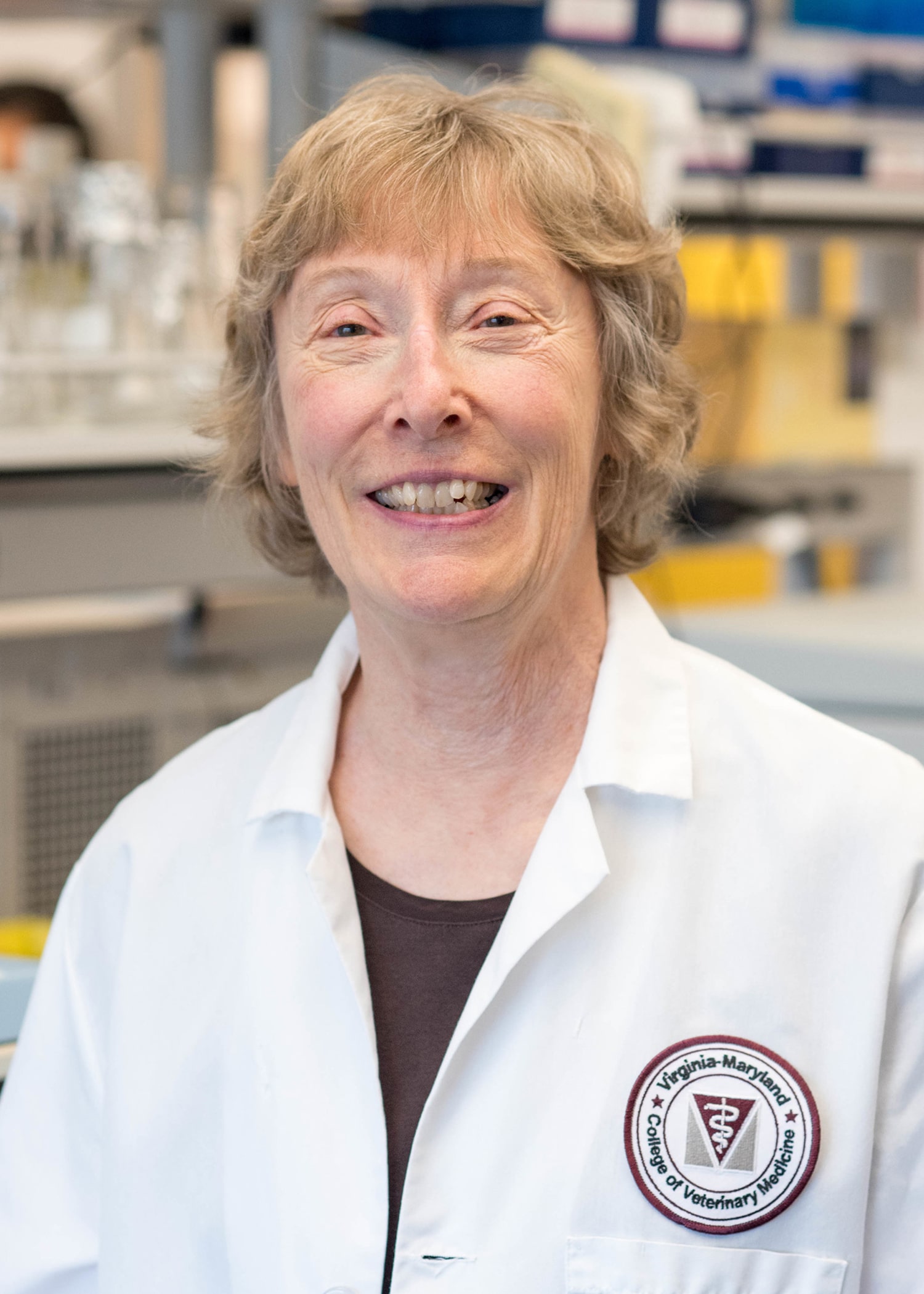
Marion F. Ehrich, RPh, PhD, DABT, ATS

SERVICE AWARD
Recipient

Holly D. Dursema, MS, DABT

CAROL C. LEMIRE UNSUNG HERO AWARD
Recipient

Suzanne R. T. Wolford, PhD, DABT

EARLY CAREER PROFESSIONAL AWARD
Recipient

Natalie Holman, PhD

BEST PAPER PUBLISHED IN INTERNATIONAL JOURNAL OF TOXICOLOGY
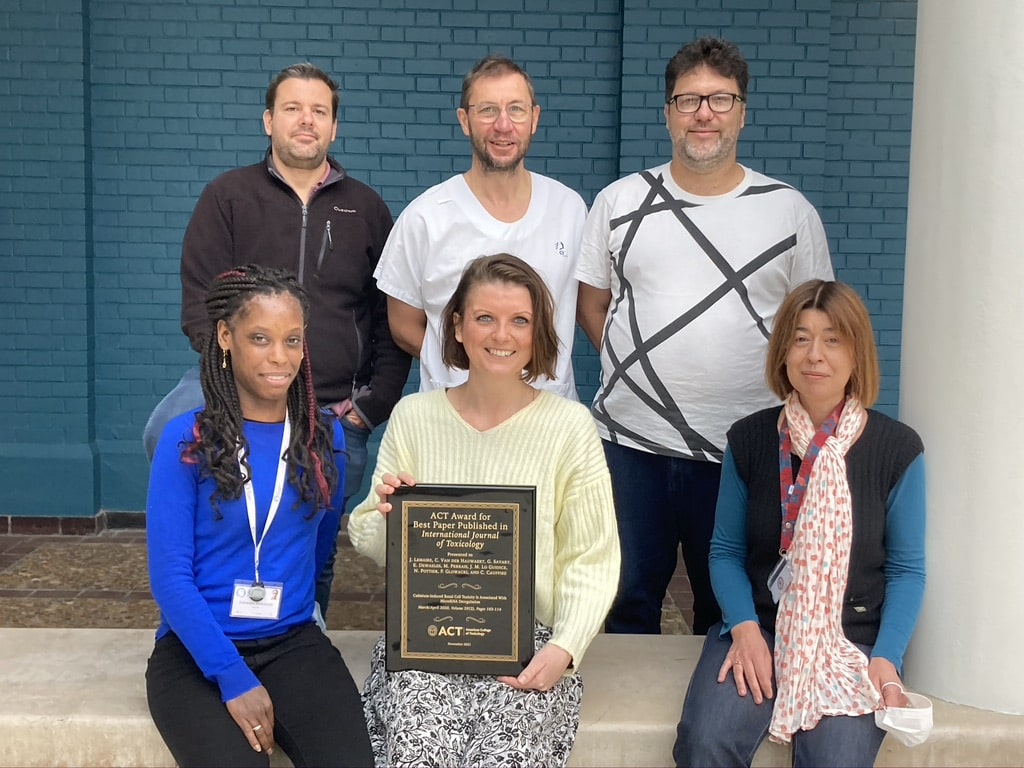
Lemaire J, Van der Hauwaert C, Savary G, Dewaeles E, Perrais M, Lo Guidice JM, Pottier N, Glowacki F, Cauffiez C. “Cadmium-Induced Renal Cell Toxicity Is Associated with MicroRNA Deregulation.” Int J Toxicol 2020 Mar/Apr;39(2):103-114.

NORTH AMERICAN GRADUATE FELLOWSHIP
Recipients
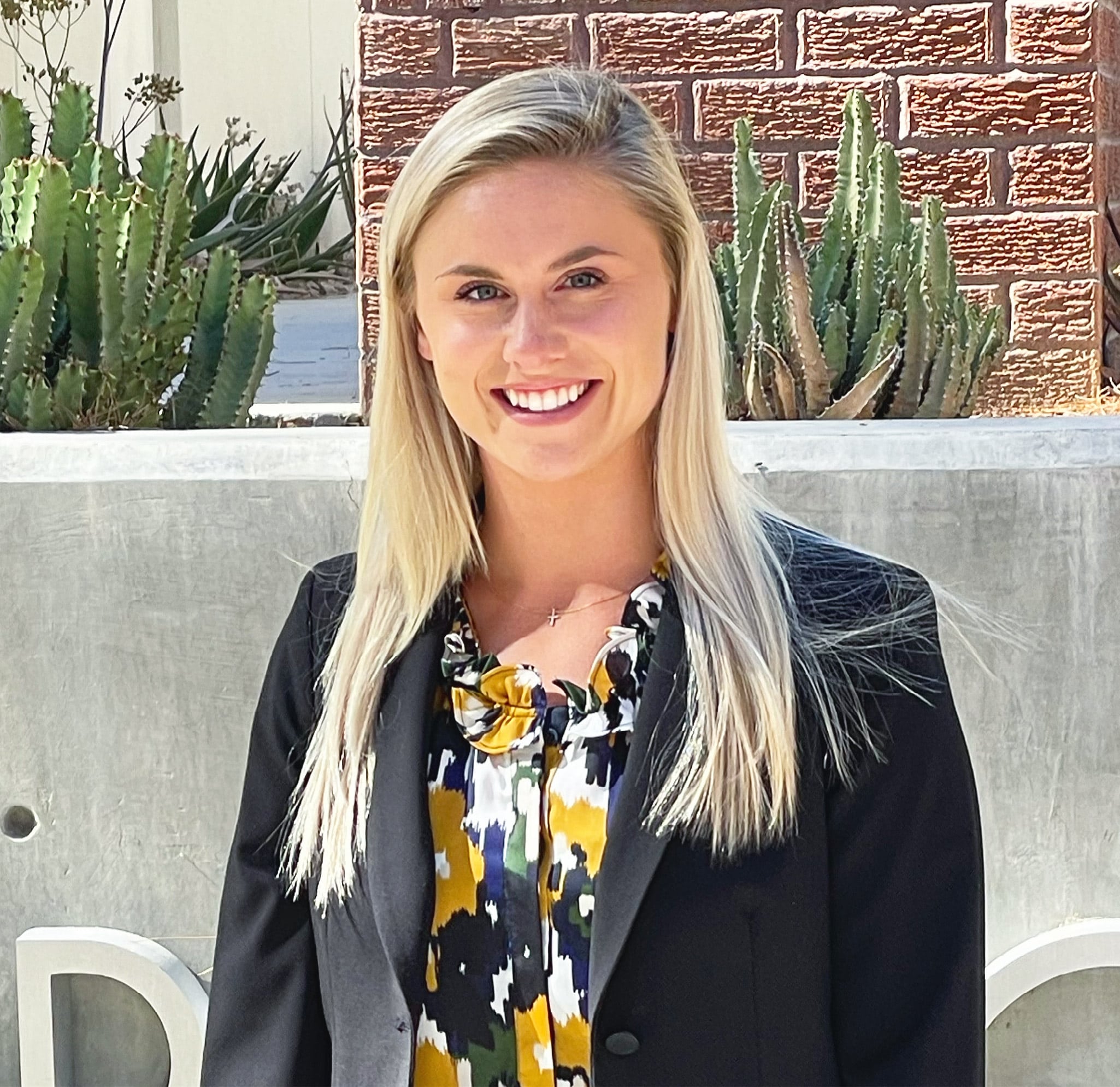
Kayla Frost, University of Arizona
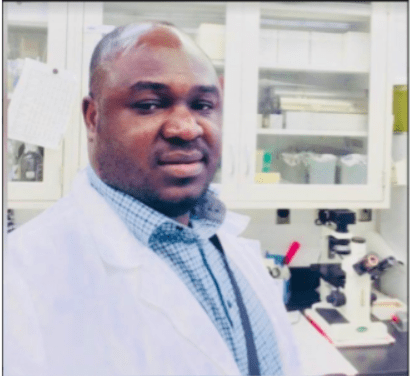
Moses New-Aaron, University of Nebraska Medical Center

Neha Paranjape, University of Iowa

INTERNATIONAL GRANT
Recipients

Adeolu Adedapo, University of Ibadan, Oyo State, Nigeria

Eze Chukwuebuka, Federal University Oye-ekiti, Ekiti State, Nigeria

Chiagoziem Otuechere, Redeemer’s University, Ede, Osun State, Nigeria

NORTH AMERICAN TRAVEL GRANT
Recipients

Sarah Belperain, Becton Dickinson
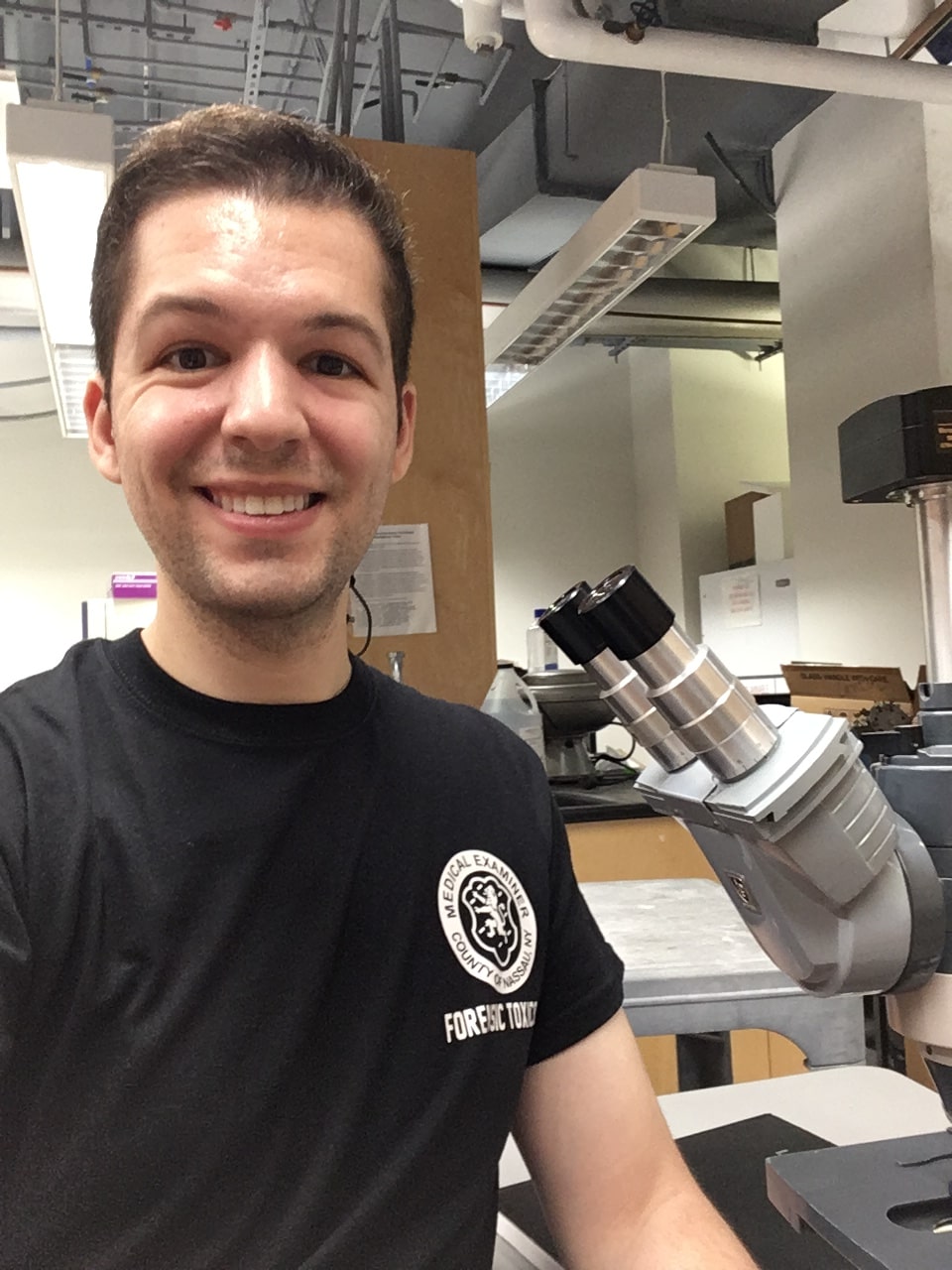
Michael Fagiola, St. John’s University

Faizan Rashid, University of Illinois at Urbana-Champaign

Brian Thompson, Yale University

FURST AWARD
Recipients

Benjamin Elser, University of Iowa

Brian Thompson, Yale University

Joseph A. Francisco, 2021–2022 ACT Vice President

Member in the Spotlight—Dexter Sullivan


Dexter Sullivan

1. What company do you currently work with, what is your profession, and how long have you been a member of ACT?
I am a Senior Toxicologist at Gad Consulting Services in Raleigh, North Carolina. I provide nonclinical safety and regulatory support for pharmaceutical and medical device companies. I’ve been a member of ACT for six years.

2. What have been some of your volunteer or participation activities in ACT?
I served as a member of the Social Media Subcommittee and am currently the Chair of the Webinar Subcommittee. I also participated as a speaker for a Continuing Education course at the recent ACT Annual Meeting. As a service to the industry, I have co-authored and published the Triennial Toxicology Salary Survey in the International Journal of Toxicology since 2012. I also recently recorded an episode about the salary survey for the ACT ToxChats podcast.

3. When you were growing up, what did you want to be?
As a child I went back and forth between wanting to be a professional football player and an astronaut. Although neither of these came to fruition, I’ve always maintained a passion for football (all sports, really) and space exploration.

4. Name three secret steps to career success?
#1—Never be afraid of failure. All the major milestones in my career are due, at least in some part, to past failures. #2—Make as many professional connections as you can. They’re invaluable. #3—Be yourself. My pastor once told me that two things happen when you try to be someone else: you’re not them and you’re not you. Just do you!

5. How many pets do you have, and what are their names?
I have one cat, Clover, that we took in as a rescue over seven years ago. I also have a one-year-old goldendoodle. He is my pandemic pup and has kept me company while I have telecommuted during COVID. My son named him Kylo after Kylo Ren. We are both big Star Wars fans.

Vincent A. Murphy, PhD, Newsletter Subcommittee Chair

Winter 2022 Membership Update


The Membership Committee recommended membership to 25 applicants in various membership categories. We would like to extend a very warm welcome to the new members and to those members who upgraded membership level!

New ACT Members—November 2021:

  • Adeolu Aderemi
  • Mamta Behl
  • Oren Cohen
  • Scott Collins
  • Chelsea Crocker
  • Alexandra Dieterly
  • Dvir Doron
  • Adeleye Edema
  • Jennifer Hunt
  • Ajith Johnson
  • Lakshmi Kelamangalath
  • Carolyn Klocke
  • Mansi Krishan
  • June Liu
  • Florence Lorget
  • Dessi McEntee
  • Janet Olugbodi
  • Mariana Saboya
  • Karuna Sachdeva
  • Robert Schulingkamp
  • Kary Thompson
  • Priyanka Trivedi
  • Ishita Virmani
  • Jenna Wiegand
  • Bethany Winans

Ric Stanulis, PhD, DABT, ACT Councilor

Membership Has Its Privileges!


interACT logo

Did you know that you can search for ACT members using either the basic search function or the advanced search option in interACT? From the interACT home page, select the Directory drop-down menu and then select the Member Directory link, where you’ll be prompted for search terms. Using the BASIC search tab, you can search for ACT members by first and/or last name, company, or email address. Alternatively, use the ADVANCED search tab if you want to search for members on Community rosters, or by location, ACT leadership (and further by specific committee or working group), employer type, join date, member type, number of years in the field, or primary research area. Give it a try! 

On the bottom of the interACT home page, you may also notice that there is a tab that lists the current most active members on the website. Check it out to see if you recognize any of these faces.

Julie K. Speitel, Newsletter Subcommittee Member

Reap the Benefits of ACT Corporate Membership


The ACT mission to “educate, lead, and serve” has been very successful over the years due in significant part to the generous support of our Corporate Members. In return, those companies benefit by elevating their brand and credibility as an ACT partner. Here are just a few of the many reasons why ACT is so highly regarded in the toxicology community—a reputation that, in turn, affords our Corporate supporters tremendous recognition.

In 2021, ACT hosted four signature educational webinars and continued the well-received eLearning Seminar Series. We also produced four podcasts for the popular ToxChats series and held four virtual educational courses. In addition, the College published six issues of our journal, International Journal of Toxicology, and held a very successful virtual 42nd Annual Meeting, with 850 registrants and a first-rate education program.

In 2022, multiple courses and webinars on regulatory issues, reproductive toxicology, pathology, advanced toxicology, and even more cutting-edge research will be hosted or co-hosted to keep scientists abreast of new developments in fundamental and applied toxicology.

Choose from two distinct packages to elevate your brand and maximize your reach:

ACT Corporate Partner ($3,500 per year):

  • Five complimentary job postings for six months each ($1,250 value)
  • Enhanced listing with web link in the ACTimes membership newsletter
  • Enhanced listing with your logo in the November/December issue of International Journal of Toxicology
  • Recognition in the printed materials and on signage at the ACT Annual Meeting
  • One additional Exhibitor Priority Point for companies who also exhibit at the Annual Meeting, and Priority exhibit booth selection at the Annual Meeting
  • One blog post on the ACTalks blog per year with your unique content
  • Logo on the ACT home page
  • “Proud ACT Corporate Member” logo for use on your company website
  • Enhanced listing on the ACT website, with your logo, company description (30 words), and two hyperlinks to your company’s website.

Corporate Contributor ($2,000 per year):

  • Two complimentary job postings for six months each ($500 value)
  • Listing of company name in the ACTimes membership newsletter
  • Listing of company name in the November/December issue of International Journal of Toxicology
  • Listing of company name and web link to company’s website on the ACT website
  • Recognition in the printed Program and on signage at the ACT Annual Meeting
  • Priority exhibit booth selection at the Annual Meeting in November

Corporate support is essential to the continued success of the College and the achievement of its goals.

What’s in it for you? As you can see, the ACT Corporate Membership program is a terrific way for companies with a vested interest in the field of toxicology to show their support for the important work of ACT, while receiving valuable recognition via the College’s extensive, well-respected presence in the toxicology community.

We invite you to join forces with ACT to continue to fulfill our mission by serving as a 2022 Corporate Member of the College.

To elevate your brand and take advantage of ACT Corporate Membership for 2022, please contact Liz Kasabian by email or by telephone at 703.547.0875 ext. 1437.

Treasurer’s Report—Winter 2022


Thank you for your support of the College and for entrusting me as your Treasurer. I am pleased to report that the College finished the 2021 fiscal year in a very strong financial position. Through the hard work of ACT Council and our AIM partners, we anticipate having a net gain for the operating budget (final values are unavailable at this time), despite challenges posed by the pandemic and changes with the format of the Annual Meeting for a second year. I would like to give a special thanks to Nancy Rollman and Elisa Turner for their outstanding efforts and guidance. As of December 31, 2021, the ACT investment account (reserve funds) had a balance of $5,141,425, with a net return of 10.49% for the year. The ACT Endowment finished the calendar year with a balance of $1,191,730, which represents growth of $183,640 for the year. The first distribution from the Endowment ($29,000) was made to fund ACT educational awards and scholarships in 2021. Thank you to all our Endowment supporters.

As your Treasurer, my major priorities for 2022 include the following: (1) serve as Chair of the Finance and Endowment Committees, (2) provide oversight of the ACT investment and Endowment accounts, (3) recommend a distribution from the Endowment to fund 2022 ACT educational awards and scholarships, (4) review and approve the ACT annual financial audit and 2021 tax returns (federal and Virginia), and (5) monitor the 2022 budget and assist with preparing the 2023 annual budget.

I am optimistic that 2022 will be a year of continued growth for the College, and I look forward to seeing you in person this November in Denver, Colorado.

Most Sincerely,

Alan Brown, PhD, DABT, ACT Treasurer

Editor’s End-of-2021 Report


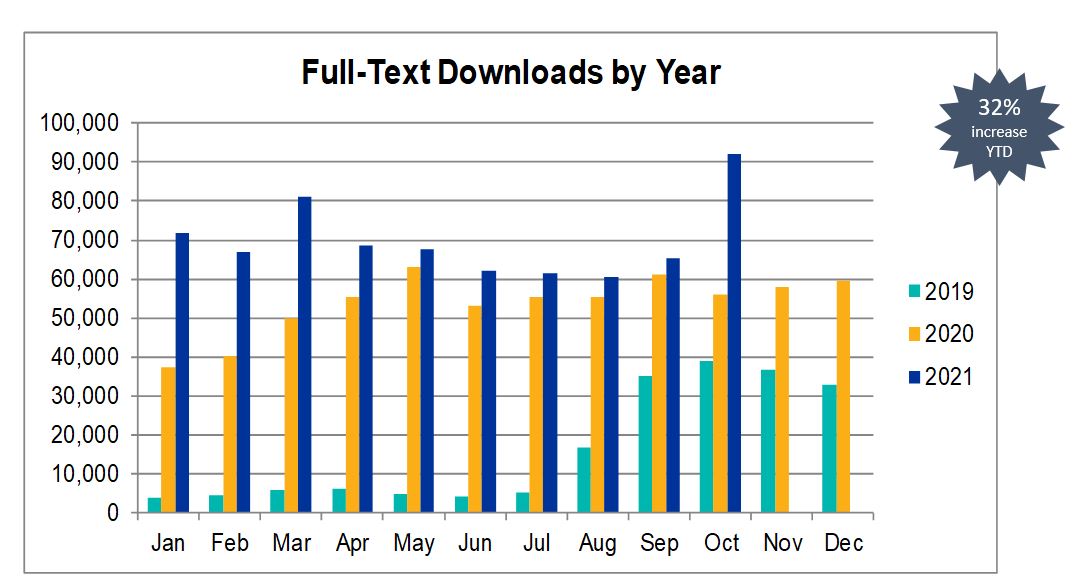
With 2021 behind us, I can look back and say that it was an interesting and productive year for the International Journal of Toxicology. We had another exceptionally strong year of manuscript submissions, ending the year at 480. With submissions from a total of 44 countries, we had submissions from Qatar and Tanzania for the first time! Access to and downloads of our published manuscripts were very strong throughout the year (see graph below, from the 2021 interim SAGE Publisher’s report). We also saw a jump in our impact factor to >2.0 for the first time ever.

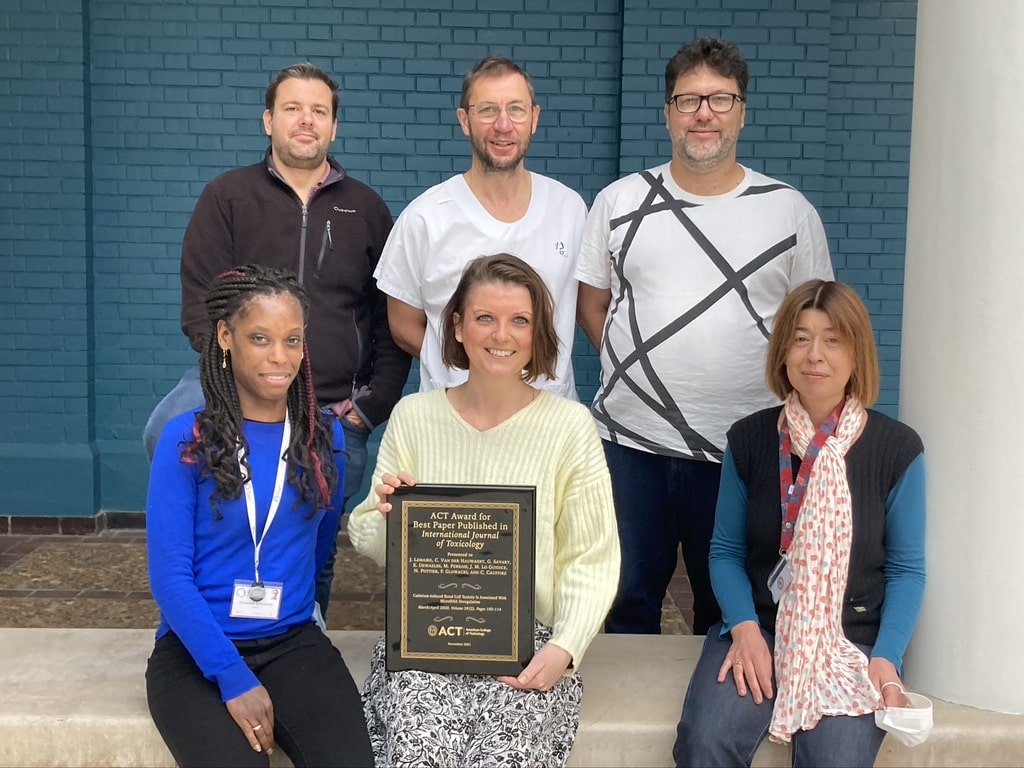
Our Best Paper awardees (pictured below, with lead author Julie Lemaire holding the winners’ plaque) were a group of investigators from the University of Lille, for their paper “Cadmium-Induced Renal Cell Toxicity Is Associated with MicroRNA Deregulation.” Thanks to Editorial Board member Dr. Elaine Knight for nominating this paper for the award!

Looking ahead, it’s time to start thinking about nominations for the Award for Best Paper published in 2021. The deadline for nominations is March 31. In the past, we only considered papers published in the print version of the journal for the Best Paper Award. In the coming year, journal impact factors will be calculated based on all papers published in a given year—that is, those published online and not yet assigned to a print issue as well as those published in print. Therefore, I suggest that we make that shift for our Best Paper selection process and consider all 2021 publications for the award. To learn of publications the moment that they are published online, sign up for electronic Table of Contents (TOC) alerts for Int J Toxicol. Details for getting TOC alerts sent to your inbox can be found online. Details of the nomination process for all ACT awards are found within the Resources tab of the ACT website.

I hope to keep our impact factor strong and growing by publishing more high-quality and timely review articles in 2022. If you have an idea for a review article, and perhaps some authors (or yourself) to write it, please let me know; I will support authors who undertake the writing of a review article in any way that I can!

Mary Beth Genter, PhD, DABT, ATS, Editor-in-Chief IJT

Call for Reviewers


The International Journal of Toxicology seeks to expand its reviewer pool! If you’re looking for a new way to support ACT, consider volunteering to review articles for the official ACT journal! While all expertise is valued, areas in which the reviewer pool is a bit short on reviewers include computational toxicology, ’omics technologies (genomics, proteomics, etc.), foods, natural products, cancer biology, and genotoxicity.

FAQs for individuals considering becoming a reviewer:

Q1) Will I have to review articles outside of my expertise?
A1) Only if you want to! I typically try to use volunteer reviewers in the areas for which they express a preference.

Q2) If I agree to review an article, when is the review expected?
A2) Our review platform is set up to “expect” reviews 21 days after a reviewer agrees to undertake a review. Auto-generated reminders are sent one week before the expected review, to help reviewers keep track of time.

Q3) What “perks” are there for reviewing for Int J Toxicol?
A3) There are several! If you need to show proof of manuscript review activity (perhaps for ABT recertification or as evidence of service to the field of toxicology), reviewers can opt to have their review cataloged by Publons. Also, reviewers who REALLY like to review, and consistently provide constructive reviews, may be invited to join other prestigious toxicologists on the Int J Toxicol Editorial Board.

Q4) Are there any guidelines for preparing a good manuscript review?
A4) There are some nice resources available. One that is very helpful, but also rather long, is by JM Provenzale and RJ Stanley (J Nuc Med Technol 2006;34(2):92). Also, I have written a very short guide to manuscript reviews, which is posted to the Become a Reviewer page located under the Journal tab of the ACT website.

Thank you for considering this invitation!

Mary Beth Genter, PhD, DABT, ATS, Editor-in-Chief IJT

Ringing in the New Year!


Happy 2022 from the ACT Education Committee. Before we turn the page on 2021, I wanted to take a moment to recap our activities and success stories and to thank those members who are stepping off the committee who helped us get here. A huge thank you to Kate Lane for her leadership of the Education Committee over the last year, and thanks also goes to the members leaving the Education Committee, John Wisler and Simon Authier. We look forward to the great leadership of Jeff Tepper this year as Chair. Raluca Kubaszky also joins the team as the appointed first-year Councilor. In addition, this is a great time to welcome newly elected members Jorg Blumel and Lauren Mihalcik. The entire Education Committee is looking forward to an exciting year.

The year 2021 started with huge optimism that we would be able to join our colleagues in person at the Annual Meeting, but that was not to happen. The Education Committee showed great agility in pivoting to virtual Continuing Education (CE) course presentations that had great attendance and were well received. Thank you to all the Chairs and presenters of those courses. In addition, throughout the year, the Education Committee, in collaboration with our three subcommittees, supported webinars, e-learning courses, and multiple podcasts. Please head to the ACT website to review these offerings, which are still available to you!

The Education Committee is looking forward to in-person education courses again. We have already begun the process of organizing the CE courses for the Annual Meeting in Denver in November. As always, the course offerings are timely, relevant, and scientifically exciting. Finally, the Education Committee has a lot of project priorities ahead of us this year. We want to critically review education offerings to make sure we are providing the best learnings to our members in a timely manner. We can’t do any of this without our members and your feedback. As we reach out to you over the next year to get opinions and feedback, we hope you will engage to make the Education Committee an even stronger group. Please reach out if you have ideas, and there are always opportunities to get involved.

Let’s go, 2022!

Laura Andrews, PhD, DABT, ATS, ACT Councilor

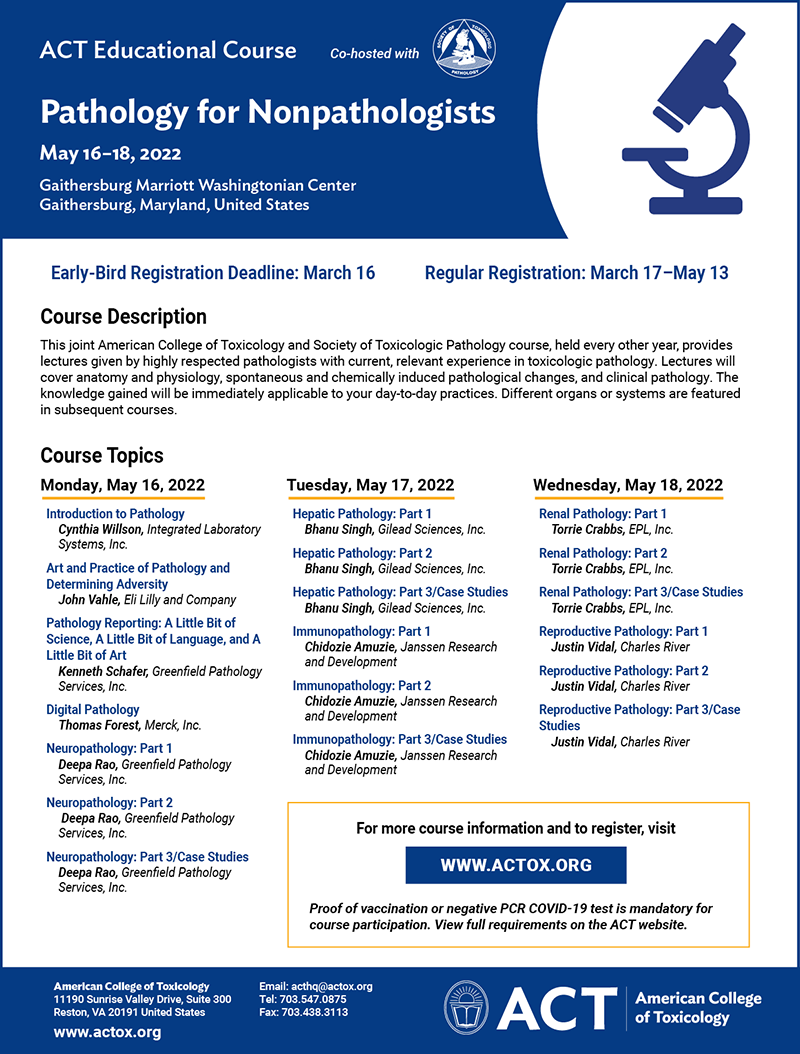
Pathology for Nonpathologists: Registration Open for the Joint ACT/STP 2022 Course


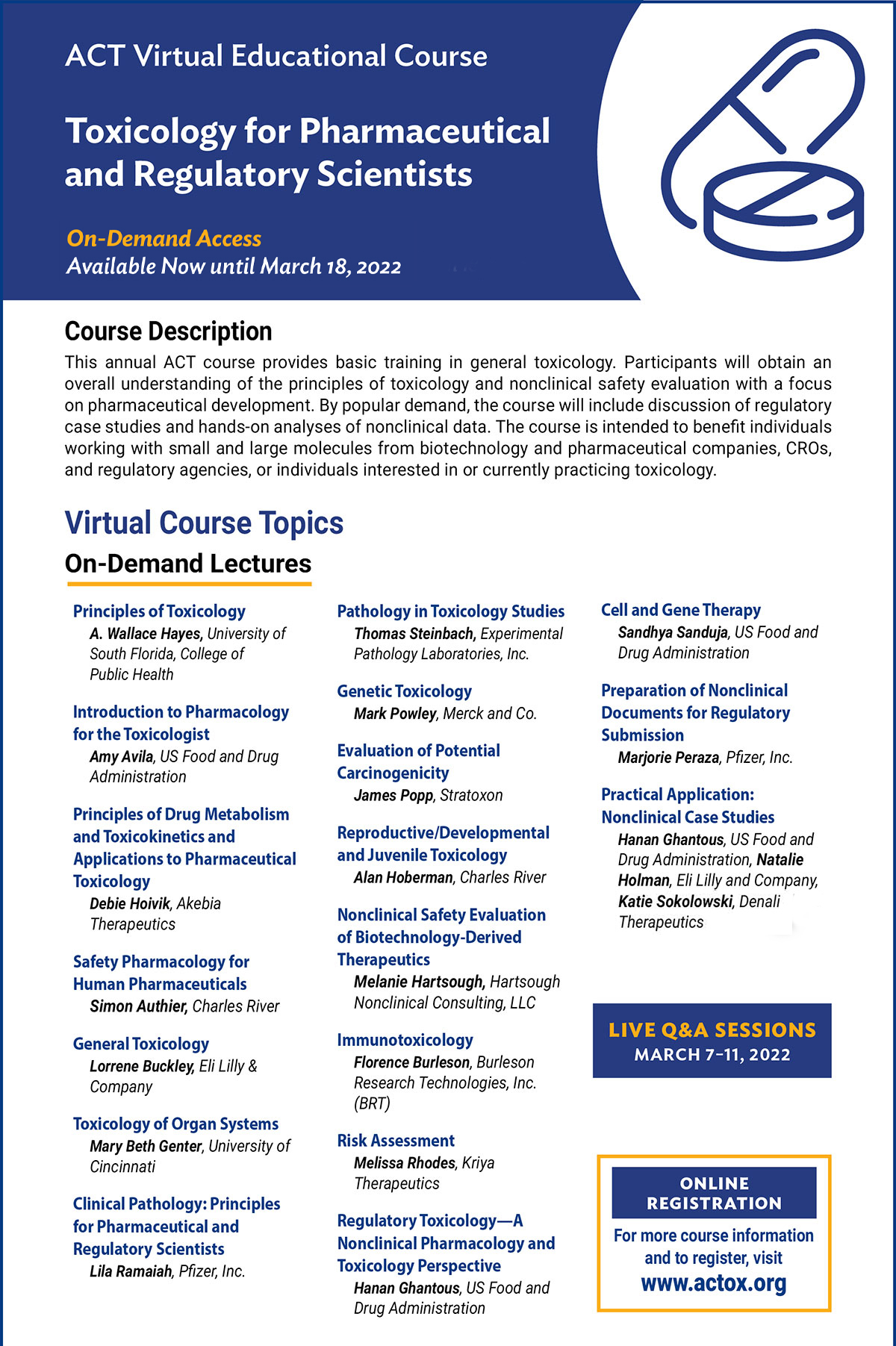
Going Virtual in 2022: ACT Toxicology for Pharmaceutical and Regulatory Scientists Course


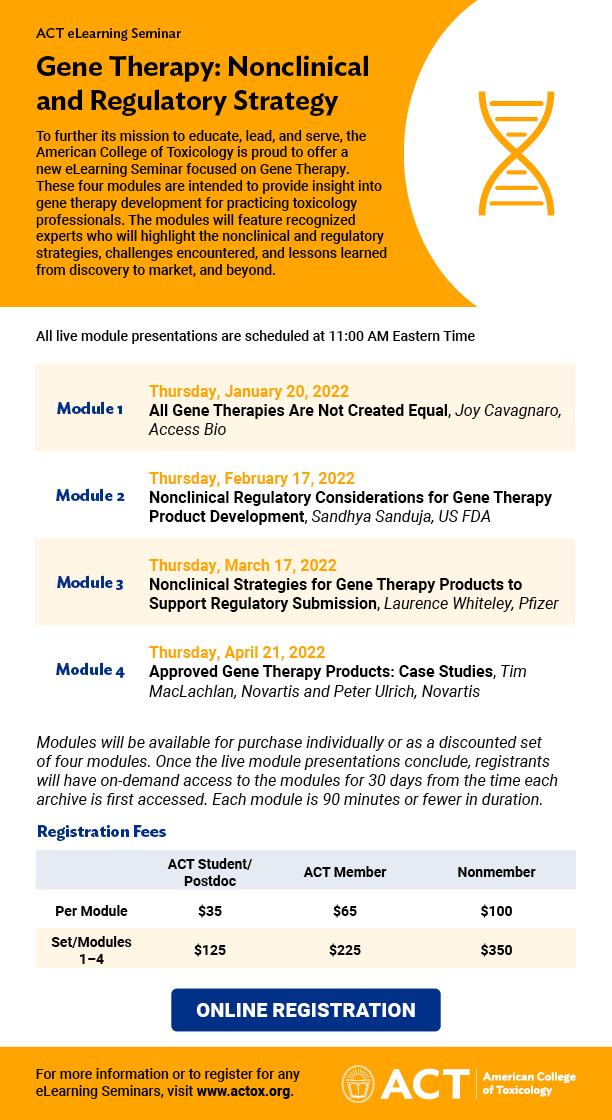
Check Out the Latest ACT eLearning Seminar on Gene Therapy


New ACT ToxChats Podcast: Digital Pathology


ToxChats banner

In this episode of ToxChats, Dr. Daniel Rudmann, an ACVP board-certified investigative and toxicologic pathologist and translational medicine scientist with over 20 years of experience in drug discovery and development and current director of digital pathology at Charles River Laboratories, is interviewed. Dr. Rudmann discusses how advances in digital pathology and machine learning are improving toxicology pathology workflows.

Digital Pathology

For further information on digital pathology in drug discovery, we encourage you to check out the following links:

  1. Society of Toxicologic Pathology Digital Pathology and Image Analysis Special Interest Group Article: Opinion on the Application of Artificial Intelligence and Machine Learning to Digital Toxicologic Pathology
  2. BIGPICTURE is a public-private partnership funded by the EU Innovative Medicines Initiative (IMI) bringing together academic institutions, small- and medium-sized enterprises, public organizations, pharmaceutical companies, and a large network of partners.

Select ToxChats© podcast episodes are available on iTunes and Google (search ToxChats), in addition, all episodes are on the ACT website. The podcasts report on cutting-edge news in toxicological research from around the globe, and feature interviews with experts and a review of current advances. We encourage you to listen to and follow ToxChats. We welcome any feedback or suggestions for future topics.

News from Other Societies

You’re Invited: 2022 Society of Toxicology Annual Meeting and ToxExpo


SOT Annual Meeting

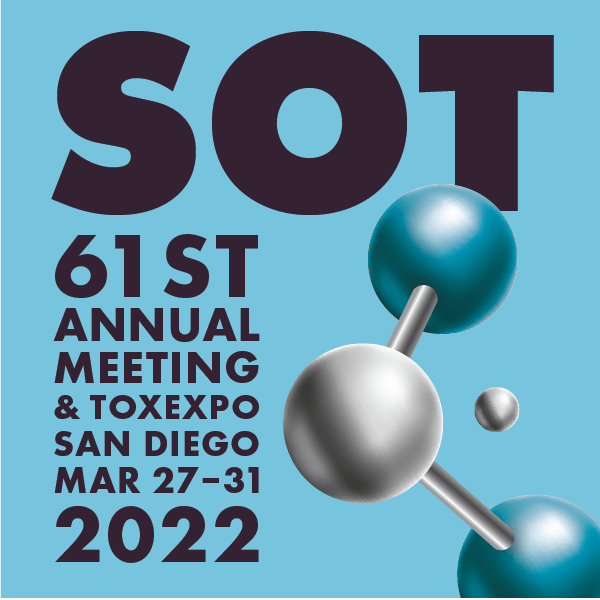
The Society of Toxicology (SOT) invites you to attend its 61st Annual Meeting and ToxExpo, which will take place March 27–31, 2022, in San Diego, California. SOT is excited for the opportunity to gather in person to explore the latest in toxicological research.

More than 70 Featured and Scientific Sessions and 12 Continuing Education courses are planned for the 2022 Annual Meeting, and these sessions contain leading research and instruction in applied toxicology. Sessions on drug development, risk assessment, developmental and reproductive toxicology, and much more will be presented in the spacious San Diego Convention Center.

In addition to the scientific program, the meeting also will offer a robust array of social activities to facilitate networking, including receptions and luncheons for investigators across educational and career stages. Available only on-site in San Diego, the valuable three-day ToxExpo will connect attendees with organizations and individuals that offer support through innovative solutions, services, and opportunities.

To prioritize the health and safety of attendees, exhibitors, staff, and other meeting personnel, especially those in vulnerable populations, and in compliance with California regulations, those attending the 2022 SOT Annual Meeting and ToxExpo in person in San Diego must be fully vaccinated against COVID-19. Individuals who are unable to attend because of travel restrictions or choosing not to be vaccinated are invited to join the SOT meeting remotely via the 2022 enhanced meeting experience; the enhanced meeting experience will allow all meeting registrants to watch livestreams of most of the Scientific Sessions, engage in live question-and-answer discussions, and access recorded sessions on demand.

Registration for the Annual Meeting and ToxExpo is now open! You are encouraged to register as soon as possible to ensure that you secure the best rate currently available; the last day to register at the standard registration rate is February 25.

SOT looks forward to meeting in person in San Diego for the 2022 Annual Meeting and ToxExpo. All are invited and welcome to join SOT to explore cutting-edge toxicological breakthroughs—both in person and remotely.

If you have questions about the SOT meeting, please contact SOT Headquarters.

Upcoming Free Online Education Resources


NIH Videocast

“Turning Genes into Medicines: Challenges in the Development of Gene Therapeutics”
Wednesday, February 2, 2022
3:00–4:00 PM (EST)

Presented by Katherine High, President, Therapeutics, and member of the AskBio Board of Directors

More information regarding the speaker and event details are available online.

This videocast will be available on the day of the event, online.

SOT Colloquium

SOT and the US FDA Center for Food Safety and Applied Nutrition (CFSAN) will be presenting a free colloquium on toxicogenomics in spring of 2022. Recordings and materials will be available for attendees after the live event.

More information regarding the speaker and event details are available online.

Future IUTOX Webinars

February 2022:
Management of Hazardous Chemicals through Product Stewardship, Dr. Salmaan H. Inayat-Hussain

March 2022:
Biomonitoring in Agricultural Communities: Using Exposome-Based Approaches/ Exposure Models and Scenarios Implemented for Pesticides, Drs. Elaine Faustman and Mary Gulumian

Further information will be listed online once available.

Prachi Borude, PhD, Newsletter Subcommittee Member

TOP